TOYOTA FT-HS CONCEPT

Follow All News On http://Offgates.blogspot.com.eg

BMW M10 GT4 CONCEPT

Follow All News On http://Offgates.blogspot.com.eg

HRITHIK ROSHAN WALLPAPERS AND NEWS

Follow All News On http://Offgates.blogspot.com.eg

AMISHA PATEL WALLPAPERS

Follow All News On http://Offgates.blogspot.com

2012 BMW I8 CONCEPT PRICE WITH PHOTOS AND VIDEO

A production version of the BMW i8 Concept is expected to go on sale in 2014, with a predicted price tag of $300,000.

Saturday, December 31, 2011

Must See: Slot Car Tracks Out of this World and Out of Our Price Range


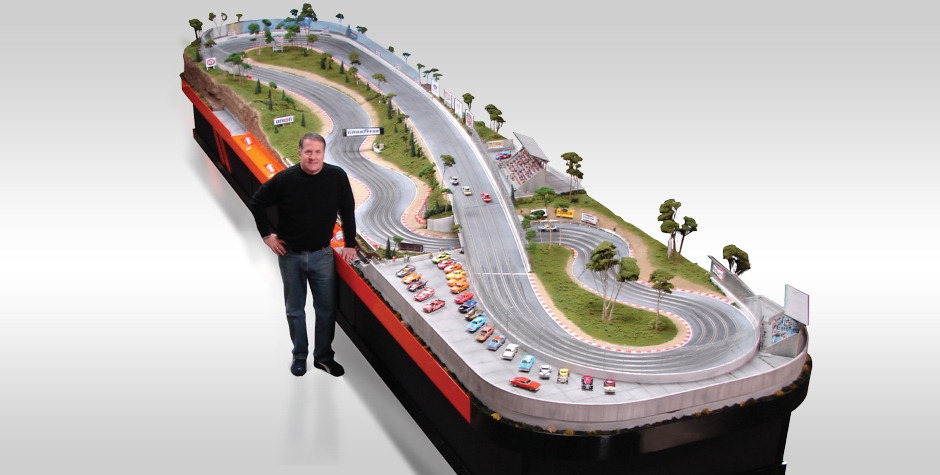
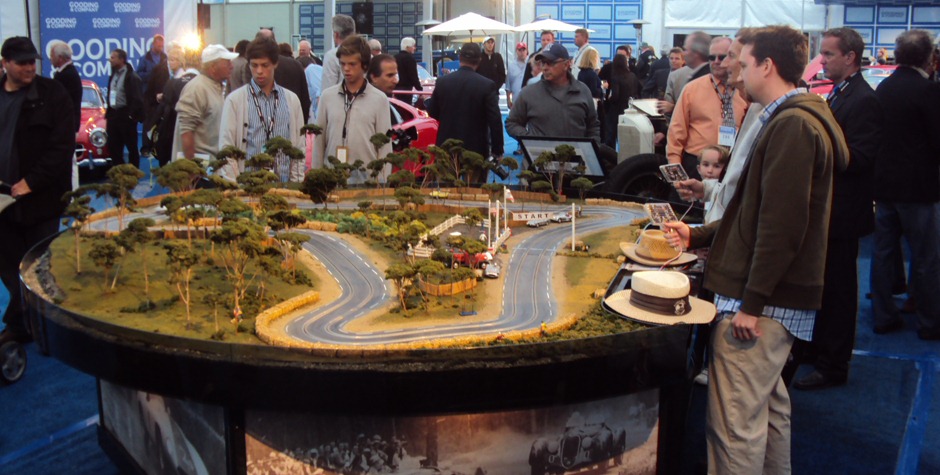
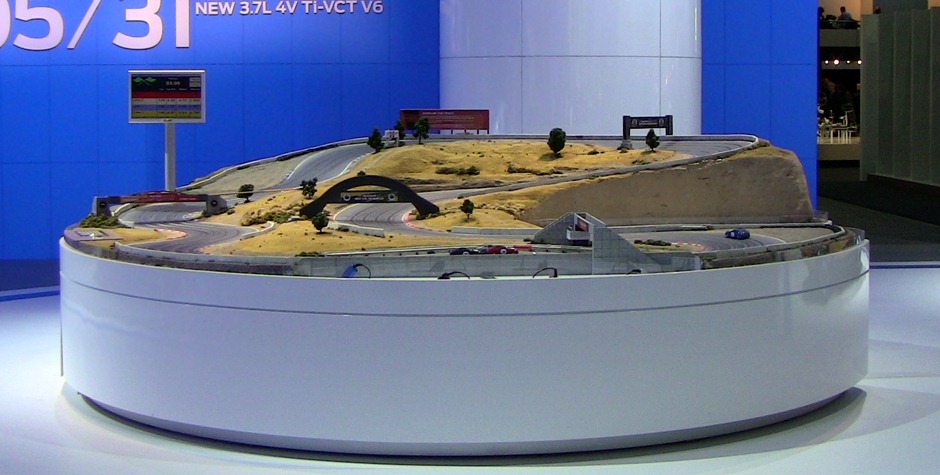
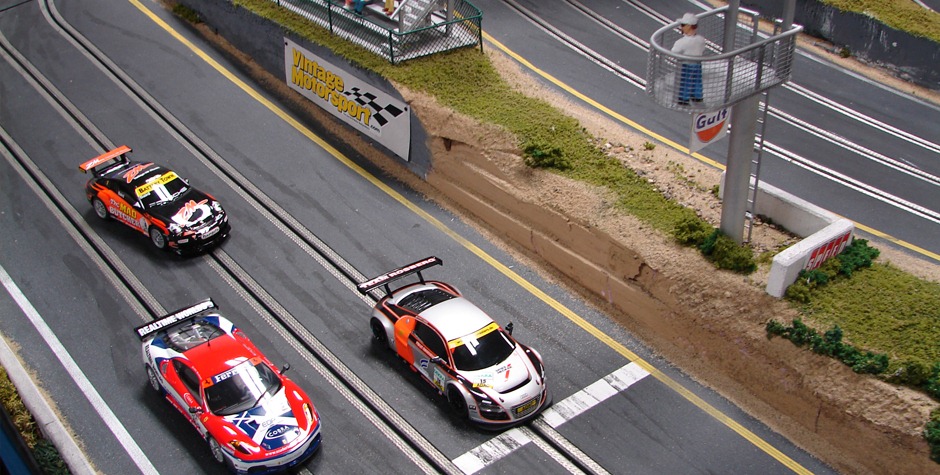
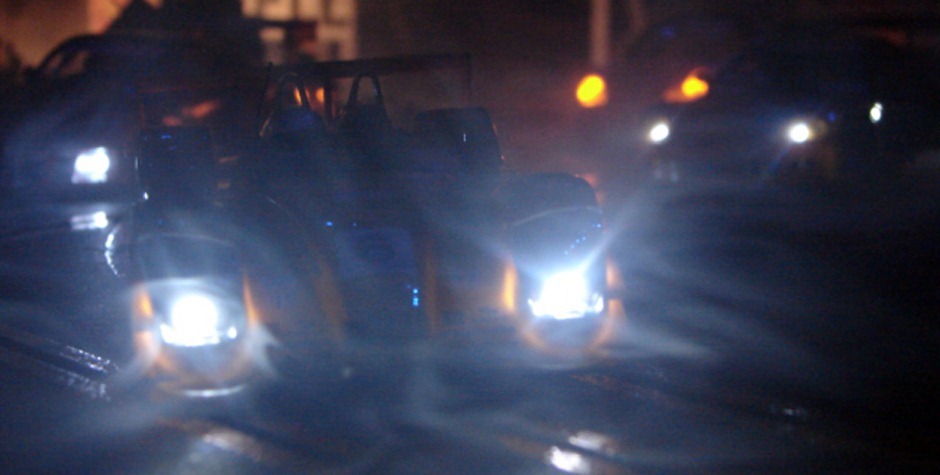
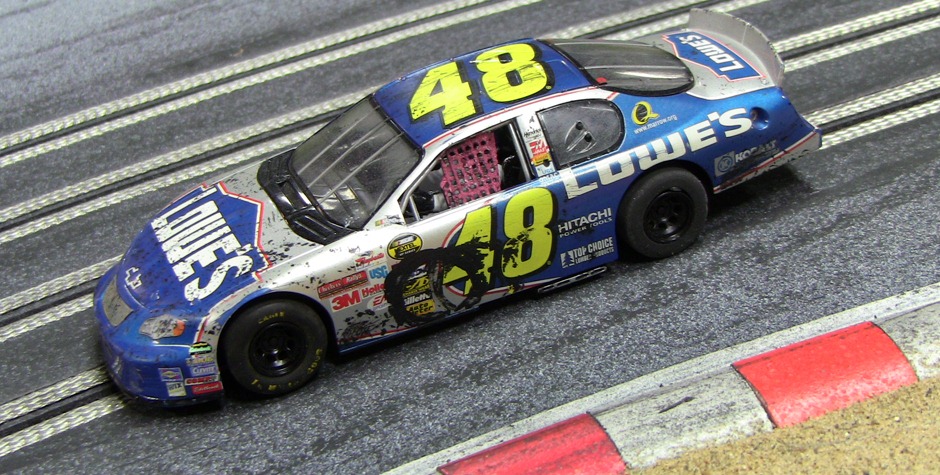
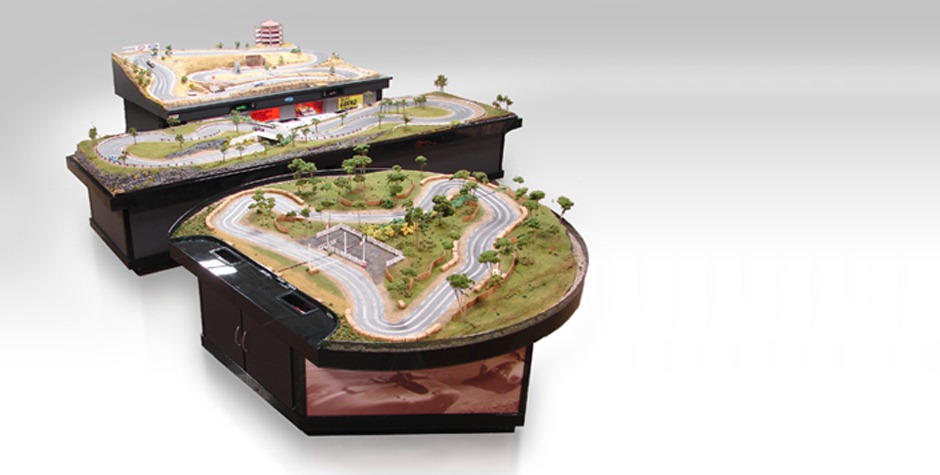
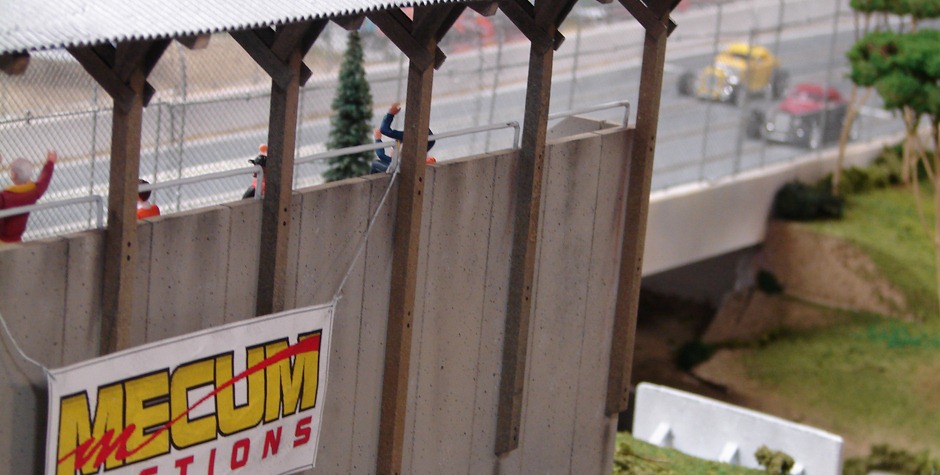
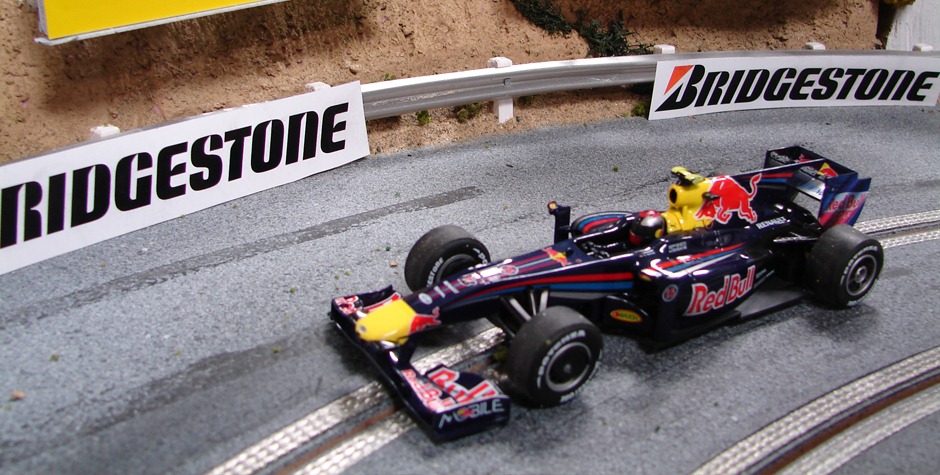
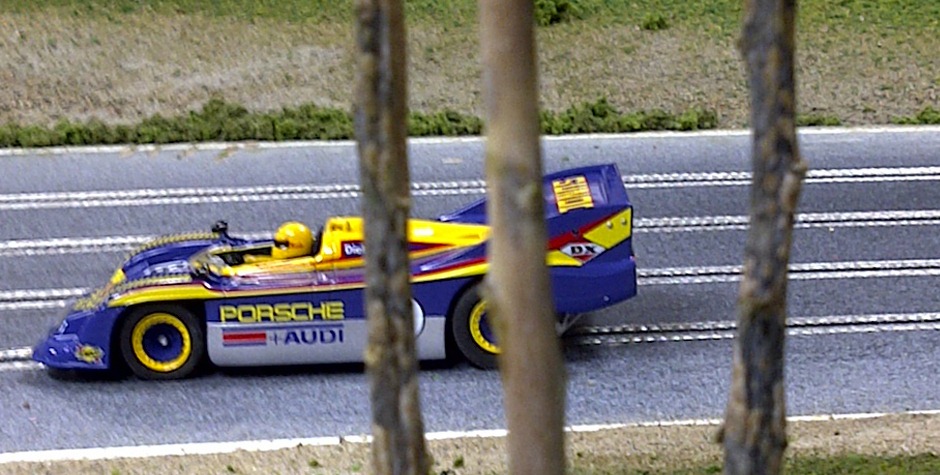
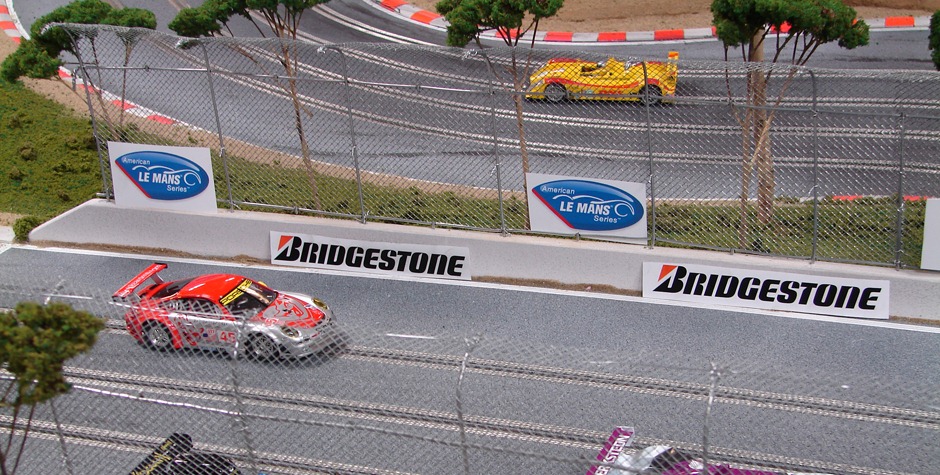
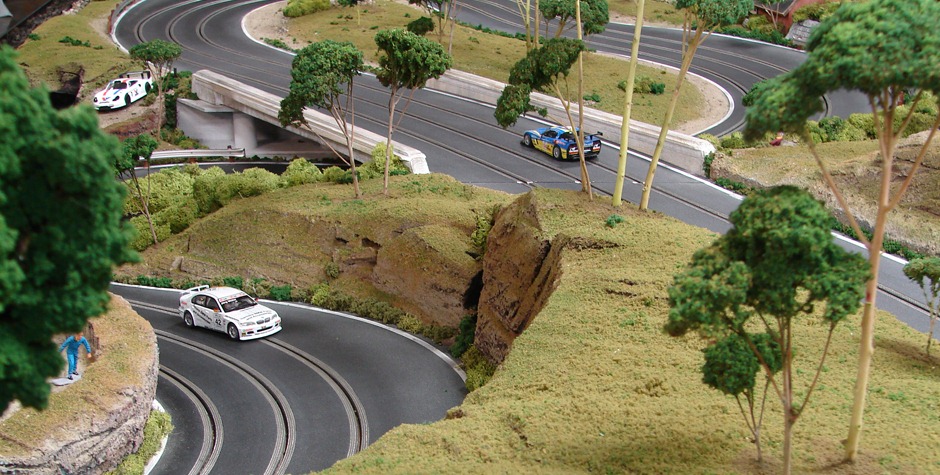
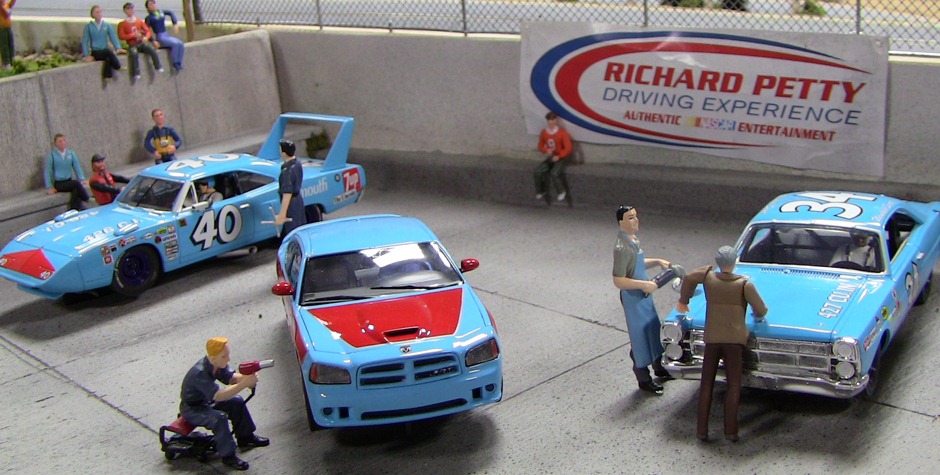
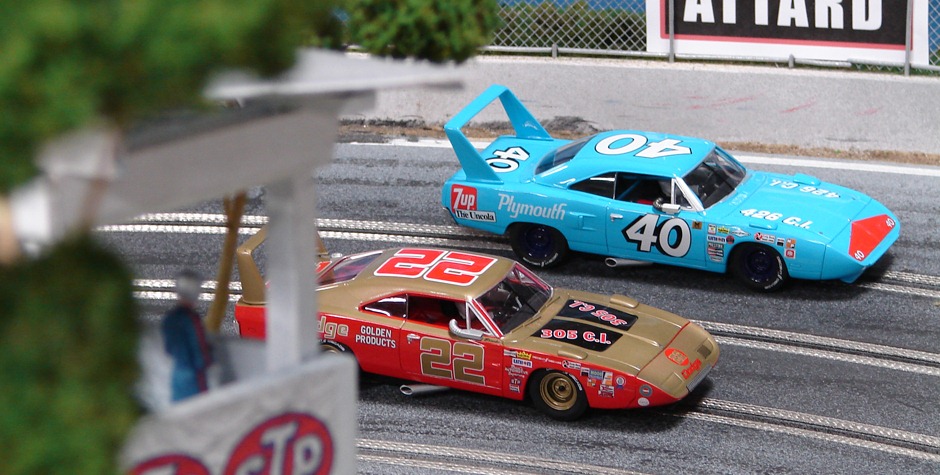
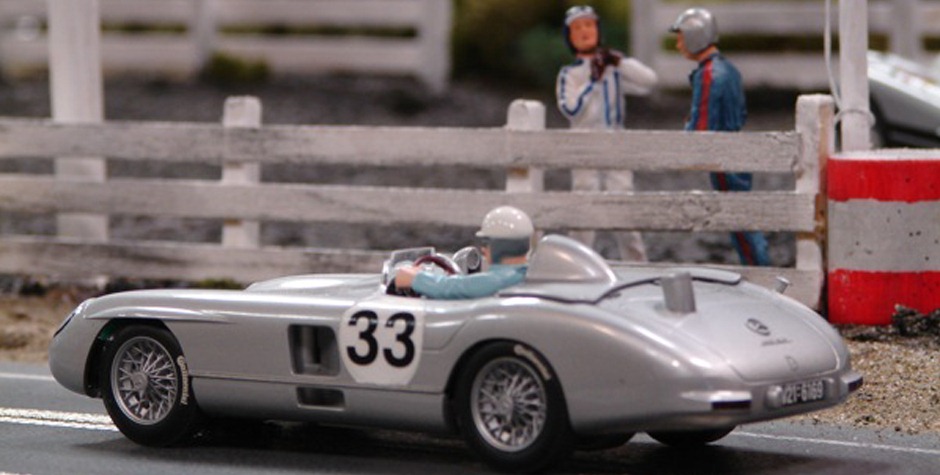
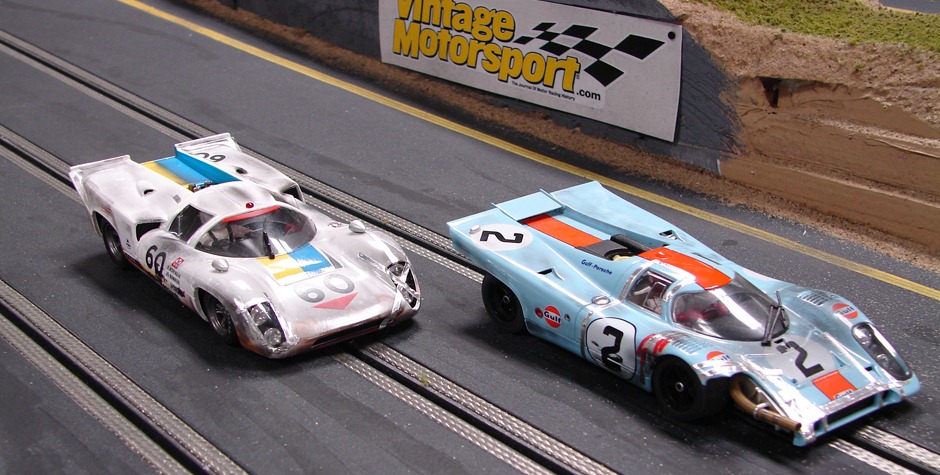
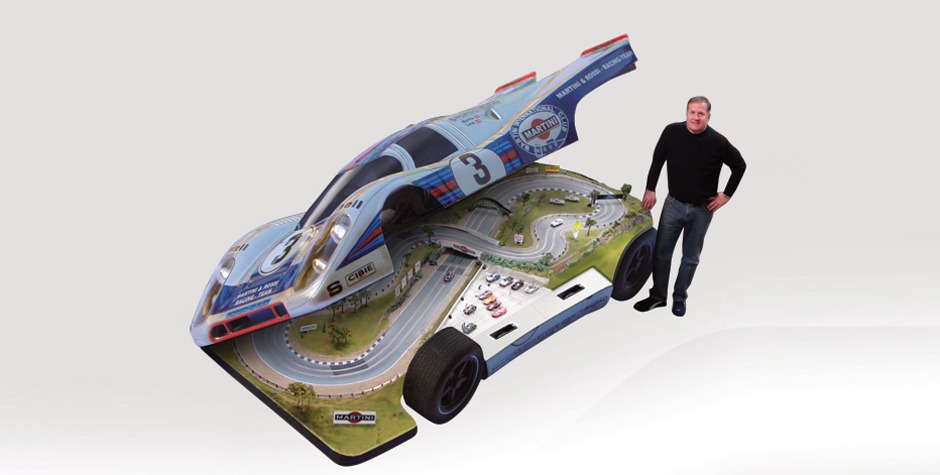
Some gifted people have a knack for turning the simplest of things into works of art. Like David Beattie, the founder and owner of Slot Mods USA, who took a hobby and turned it into a six-figure business.Link The former auto show exhibit builder leads a team of artists that create some of the most realistic and staggering hand crafted raceways for slot cars that we have ever laid eyes on.
The choices are endless ranging from vintage raceways to modern day circuits and even replicas of cars that open up to reveal a track like the Porsche 917 racer featured in the opening picture, which is built from fiberglass.
Beattie's museum-quality slot tracks are not only for commercial displays and attractions, but have also found their way into private hands including Ford Group Vice President Jim Farley (see video below) who ordered a replica of the Laguna Seca raceway.
But just like anything else in this world, quality comes at a price with Beattie’s creations starting from around $15,000 and climbing to as much as $75,000.
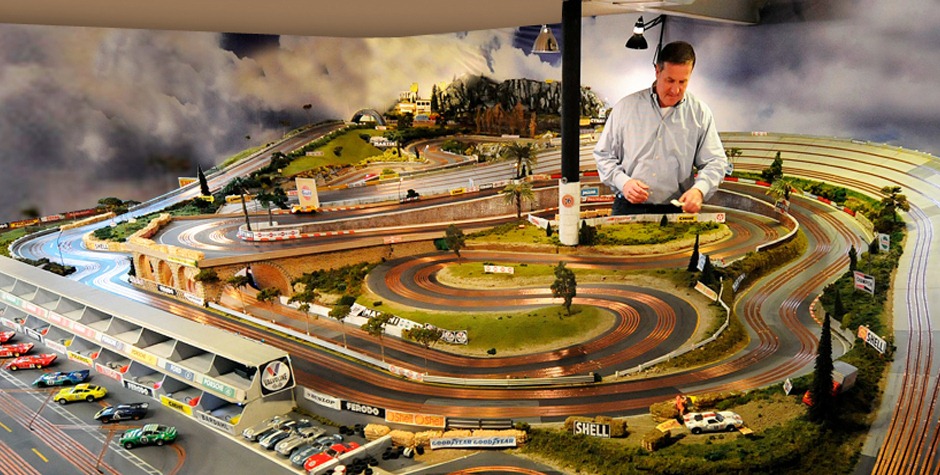
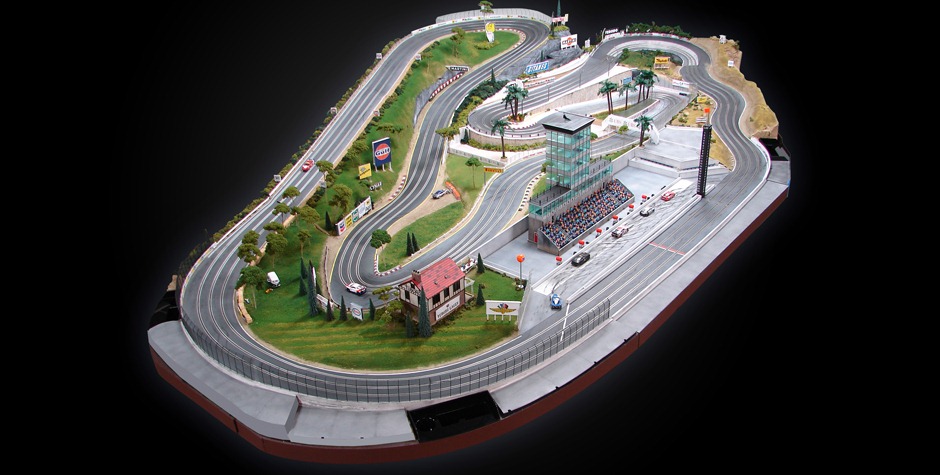
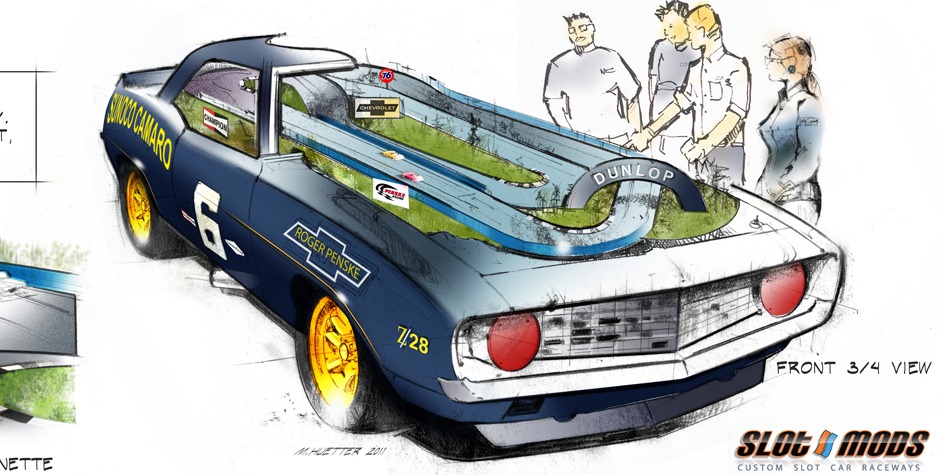
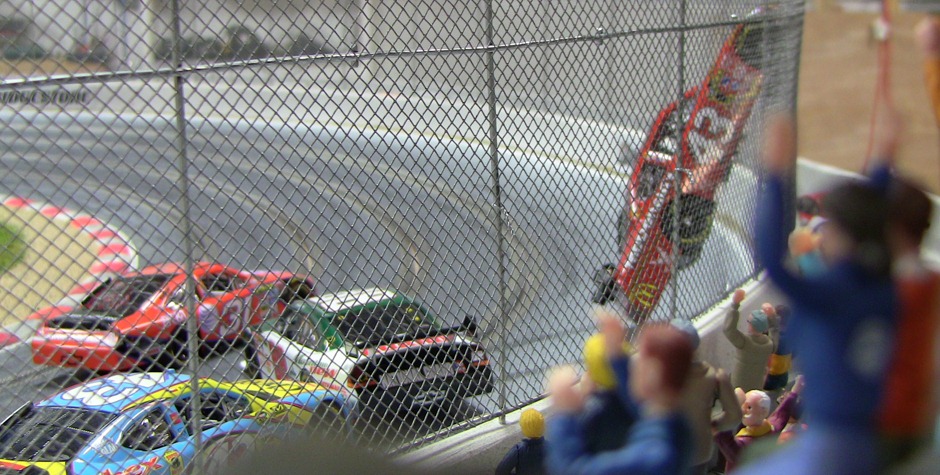
PHOTO GALLERY

Slot-Mods-2Slot-Mods-3Slot-Mods-5Slot-Mods-6Slot-Mods-7Slot-Mods-8Slot-Mods-9Slot-Mods-10Slot-Mods-11Slot-Mods-12Slot-Mods-13Slot-Mods-14Slot-Mods-15Slot-Mods-17Slot-Mods-18Slot-Mods-19Slot-Mods-20Slot-Mods-21Slot-Mods-22Slot-Mods-23Slot-Mods-24Slot-Mods-25Slot-Mods-26replica-story-pic

VIDEO


California Officials Say Owners Shouldn't Change Oil at 3K-Mile Intervals as the Practice Wastes 10M Gallons a Year


As far as cars are concerned, hearsay is many times more prevalent than the manufacturers’ own advice. One such case is the change of the engine’s oil: most car owners believe that 3,000 miles (5,000 km) is the appropriate mileage for an oil change. This might have been true a few decades ago when engines needed extra care, but technology has moved on since then.
Nevertheless, despite the fact that almost all new vehicle manuals advise owners to change oil in their cars every 7,500 to 10,000 miles, studies show that a great number of drivers prefer to do things their own way.
"The 3,000-mile oil change just says that the marketing campaign by quick-lube companies has been effective", Steve Mazor, manager of the Auto Club of Southern California's Automotive Research Center, told the Detroit News.
He added that it made sense years ago, when "we had cast-iron block engines with cast-iron pistons that would expand when they got hot and older lubricants".
As a result, millions of gallons of oil, as well as cash, are wasted every year because instead of following the manufacturer’s instructions, most people rely on their know-it-all friends’/relatives’/mechanics’ advice.
The California Department of Resources, Recycling and Recovery recently launched the “Check Your Number” campaign to raise awareness among vehicle owners to follow the manufacturer recommendations.
“Our survey data found that nearly half of California drivers are still changing their oil at 3,000 miles of sooner”, said agency spokesman Mark Oldfield.
Moreover, the agency estimates that if car owners would stick to the recommended service schedules, motor oil demand in California alone would drop by a whopping 10 million gallons a year!
This practice is not restricted to the Golden State: an August survey carried out by research firm NPD Group found out that 51 percent of U.S. car owners believe they should change the motor oil every 3,000 miles – or even sooner.
It is surely in the benefit of both the environment and your pocket if you follow the manufacturer’s recommendations. After all, the people who developed and built your car must know better than your average Joe Schmoe, right?


Honda Issues a Single Number Recall on 2012MY Odyssey Minivan


If you happen to follow the automaker recall notes, you may notice that quite often they involve a specific batch of models, be that for a parts defect or an error during the assembly of a car. In Honda's case, the safety recall involves only nine Odyssey minivans from the 2012 model year, built from October 31, 2011, through November 30, 2011.
The reason why the Japanese automaker issued this recall is that the retention nut for the front right lower suspension damper bolt may not have been tightened to the proper torque, which could allow the nut to loosen.
Honda says that if that were to occur, the front hub assembly would only be attached by one bolt, allowing the wheel assembly to shift to an extreme inward angle resulting in a loss of steering – and that's something you don't want to happen on the road…
The Japanese company says it contacted all nine owners by phone on December 19. Nevertheless, if you own one of the affected models and have more questions, you can contact the company directly at 1-800-999-1009.


2013 Ford Fusion to Debut New Lane Keeping System


While Ford is not yet ready to let the cat out of the bag on the brand-new 2013 Fusion (which will form the base for the Mondeo's replacement in Europe as well), the Detroit carmaker revealed today that the mid-size model would debut a new optional safety feature called Lane Keeping System or LKS. Like the lane departure warning systems used by other car manufactures, the LKS is designed to help drivers stay between the lines.
Ford's system makes use of a digital camera mounted on the windshield ahead of the rearview mirror. Once it detects that the vehicle is approaching the edge of the lane without a turn signal activated, a warning icon on the dash lights up and steering wheel vibrates to simulate driving over rumble strips.
The Blue Oval says that if the driver doesn’t respond and continues to wander out of the lane, the icon turns red and EPAS will nudge the steering and the vehicle back toward the center of the lane.
If that doesn't do the trick, then vibration is added again along with the nudge. Ford says that the driver can overcome assistance and vibration at any time simply by turning the steering wheel, accelerating or braking.
“Fusion’s Lane Keeping System combines a digital imaging sensor with our own state-of-the-art control software to process images and determine what level of warning or assistance to provide to the driver,” said Michael Kane, Ford development engineer. “We’ve put a lot of effort into ensuring the accuracy of the lane detection and the smoothness of the assist.”
According to the National Highway Traffic Safety Administration, about 100,000 police-reported crashes occur every year as a result of drowsy drivers, leading to 1,500 deaths, 71,000 injuries and $12.5 billion in monetary losses.
Aside from the new Fusion, Ford will gradually roll out the Lane Keeping System to a wide range of its vehicles over the next several years, including the new Explorer that will get the optional feature sometime next year.

PHOTO GALLERY

EVO Pits New Jaguar XKR-S against 1992 XJ220 at the Nürburgring


In the 1980s supercar battle, Ferrari had the raw F40, Porsche the highly sophisticated 959 and Jaguar had, well, nothing. That is, until its chief engineer, Jim Randle, decided to begin work on an unsanctioned project on a mid-engine, all-wheel drive Jag supercar. The XJ220 concept, named after its 220 mph (350 km/h) claimed top speed, was unveiled at the 1988 British Motor Show. It sported a 6.2-liter version of Jaguar’s classic V12 engine with a quad-cam system developed for testing in the Le Mans XJR-9 racer and, as Randle envisioned, all-wheel drive.
At the time, Jaguar said that it originally meant for the XJ220 to remain a concept, but customer demand convinced it to award Tom Walkinshaw’s TWR a contract to develop a production version.
Alas, its specs were quite different from the concept that wooed the public: the engine bay did not house a V12 but a 3.5-liter twin-turbo V6 engine while power was directed only to the rear wheels, and conventional doors replaced the concept’s Lamborghini-style scissor doors.
However, with an output of 542HP and 645Nm (476 lb-ft) of torque, the V6 was no slouch. In 1992, F1 driver Martin Brundle achieved the highest top speed of any production car with the XJ220 hitting 223 mph (359 km/h) at the Nardo speed circuit after the catalytic converters were removed, and 1990 Le Mans winner John Nielsen recorded a 7’47’’37 time at the Nürburgring, a record that stood until 2000.
Two decades later, EVO magazine reunited Nielsen with the XJ220 at the Nordschleife. They also brought along the new XKR-S which with 550HP and 680Nm (501 lb-ft), is the most powerful production Jaguar ever built, eclipsing (on paper, at least) even the mighty XJ220.
They also put Chris Harris in the driver’s seat and unleashed the two “cats” on what is probably the most famous track on Earth.
You can watch the video right after the jump to see if the old cat can show the newly born kitten a few tricks of its own.

VIDEO

Thursday, December 29, 2011

2012 Cadillac Escalade gets New Security Features to Prevent Thefts


In late August, General Motors announced that it is preparing a raft of upgrades to improve the security of its Cadillac Escalade for the 2012 model year. Today, GM released full details on the changes it has made and which the company claims will prevent the luxury SUV from a being a "pushover for push-away or towing thieves".
We'll remind you that a recent study from the Highway Loss Data Institute found that the Cadillac Escalade is more than six times as likely to be stolen by thieves compared to the average vehicle not only due to its popularity but also because it was easier to steal than other vehicles.
“The goal is to make the Escalade a very difficult target for thieves without any added inconvenience for customers,” said Bill Biondo, General Motors’ global leader for vehicle theft prevention. “The new systems work in the background and few people realize they are there, but they are strong added protections.”
The key security enhancements for the 2012 Escalade are listed below (from GM press release):
  • PASS Key 3+, a sophisticated encryption system for the key, key cylinder and ignition system (Deters: Drive-away thefts)
  • A more-robust steering column-lock system that makes it nearly impossible to maneuver the Escalade onto a flatbed. (Deters: “push-away” thefts)
  • An available inclination sensor that sets off an alarm when the system senses an unwarranted change of the angle of the vehicle, such as would occur with towing, flat-bedding or lifting the vehicle. (Deters: towing, push-away, and wheel thefts)
  • An available shock sensor intended to reduce content theft and push-away theft by sounding the alarm when the vehicle is “shocked,” such as by breaking window glass. (Deters: Property theft)
  • An available new wheel lock system to help prevent the theft of Escalade’s wheels and tires.
GM says that along with these improvements, OnStar provides standard additional security with a remote ignition lock that can prevent the vehicle from starting if a break-in is detected, while if a thief manages to steal the SUV, it can remotely slow the vehicle down to help law enforcement in vehicle recovery.
“Combined, these technologies comprise one of the most-extensive sets of theft-deterrent measures available for this type of vehicle and meet or exceed security specifications among global vehicle security analysts,” said Biondo.
The Detroit automaker says that owners should also use some common sense when it comes to their vehicle following some simple rules:


Protecting Yourself Against Grand Theft Auto [From GM Press Release]
  • Do not leave valuables unattended in unlocked cars, or in plain sight
  • Park vehicles in well-lit areas or inside locked garages
  • Don’t leave cars running with the keys in the ignition.
  • Do not defeat the ignition/key cylinder immobilizers with aftermarket remote- start systems
  • Always lock your vehicle with the key fob, which also sets the alarm system
  • Use wheel locks with premium wheels
  • Do not leave driver’s license, registration or insurance certificate in your car
  • Purchase a vehicle with OnStar or the aftermarket OnStar FMV mirror, which will enable your vehicle to be tracked if stolen.

PHOTO GALLERY

Volkswagen Pushes for Greener Plants by 2018


Thinking “green” is the latest mantra repeated over and over again by all car manufacturers. The most usual way of displaying their environmentally conscious approach is to advertise their vehicles' low CO2 emissions. Volkswagen, while still selling and developing greener cars, is also implementing a new “Think Blue. Factory.” initiative that aims to make its product plants more environmentally friendly.
The plan calls for the environmental impact of all Volkswagen factories to be reduced by 25 percent until 2018. The German company says this applies especially to energy consumption, waste volumes, air-borne emissions, water consumption and carbon dioxide emissions.
"Through the growing efficiency and productivity of our plants, the Volkswagen brand is already making a key contribution to the achievements of Group strategic targets for 2018. However, we are going a step further: by 2018, we intend to make production at all our plants 25 percent more environmentally compatible," said Hubert Waltl, Member of the Board of Management of the Volkswagen Passenger Cars brand
VW says that its new U.S. plant at Chattanooga, Tennessee, was the world’s first automotive plant to receive the Leadership in Energy and Environmental Design (LEED) certification, which means that the factory fulfills the stricter standards for environmentally compatible operation.

PHOTO GALLERY