TOYOTA FT-HS CONCEPT

Follow All News On http://Offgates.blogspot.com.eg

BMW M10 GT4 CONCEPT

Follow All News On http://Offgates.blogspot.com.eg

HRITHIK ROSHAN WALLPAPERS AND NEWS

Follow All News On http://Offgates.blogspot.com.eg

AMISHA PATEL WALLPAPERS

Follow All News On http://Offgates.blogspot.com

2012 BMW I8 CONCEPT PRICE WITH PHOTOS AND VIDEO

A production version of the BMW i8 Concept is expected to go on sale in 2014, with a predicted price tag of $300,000.

Wednesday, December 28, 2011

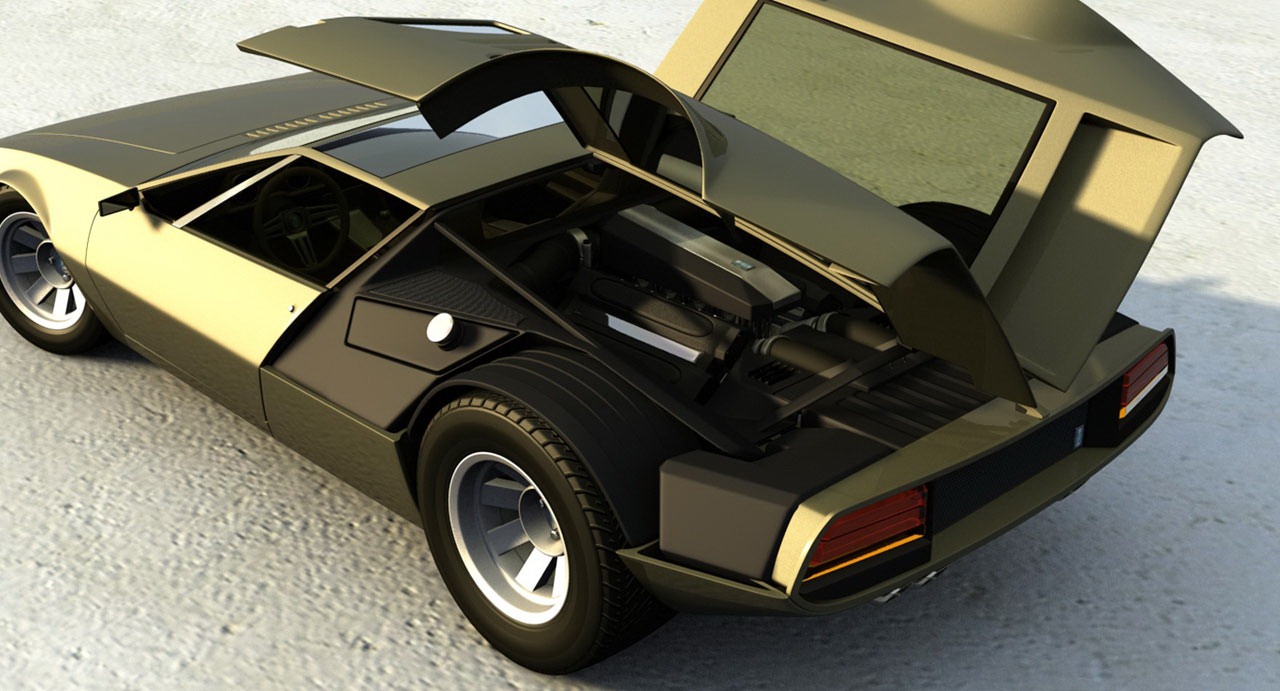
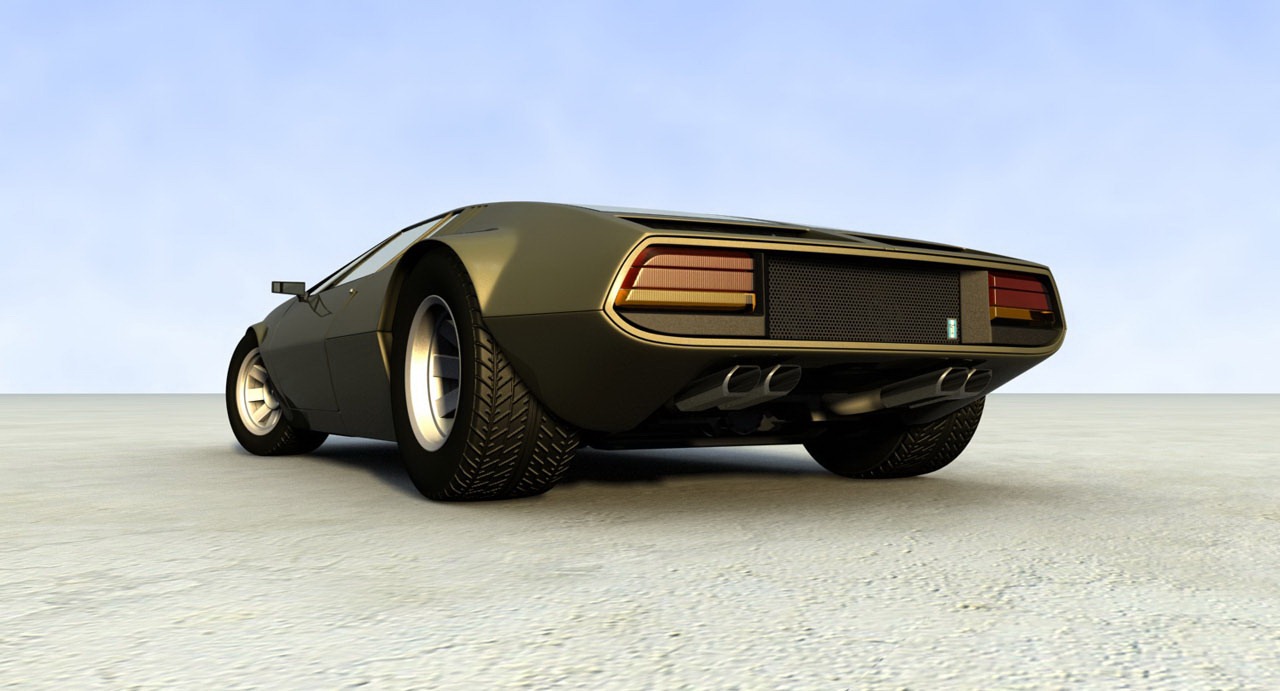
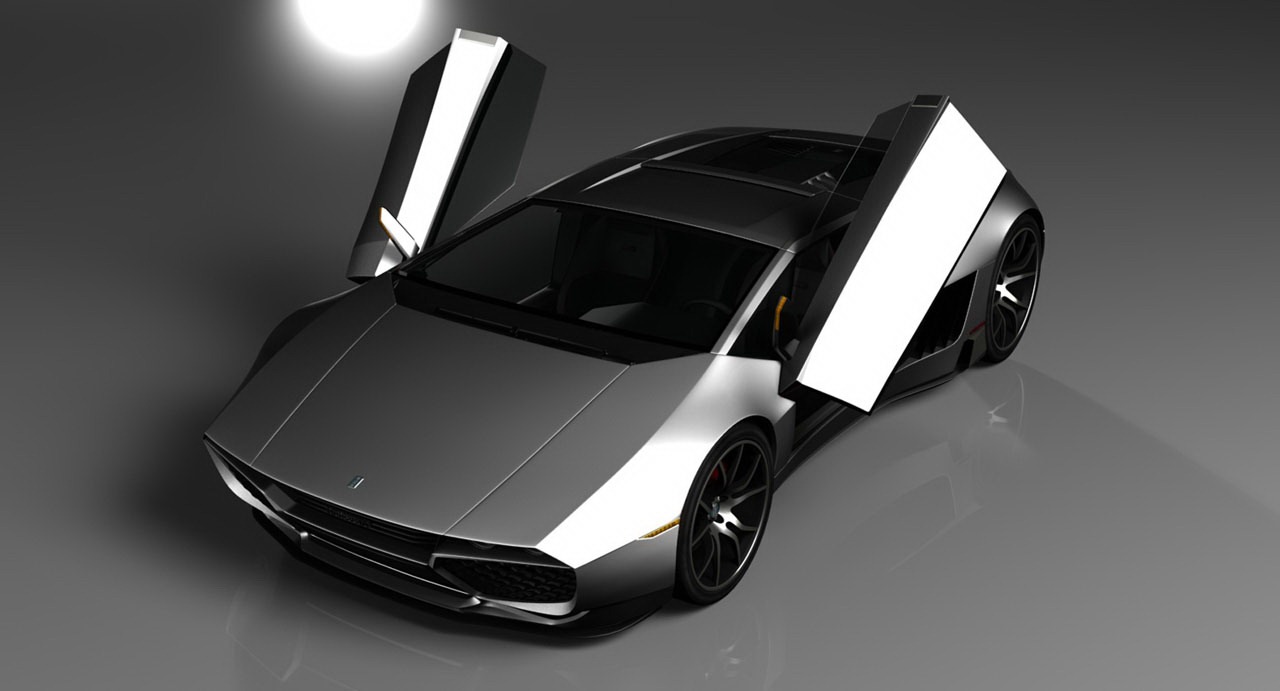
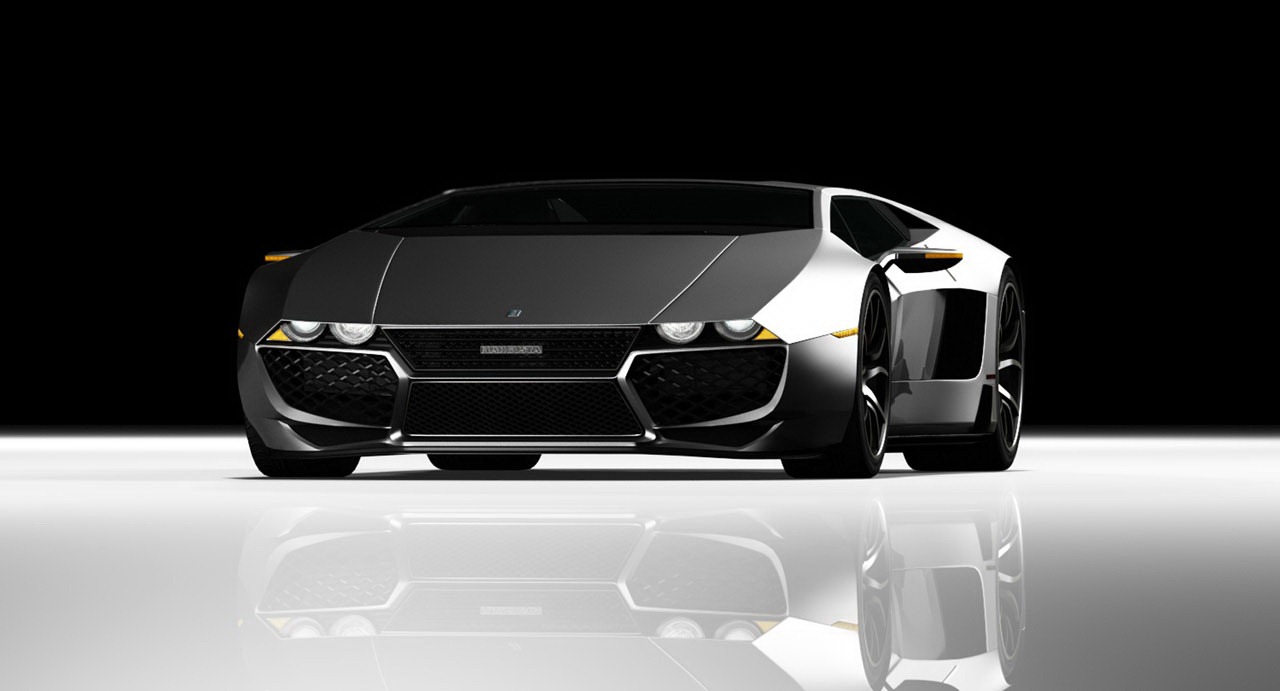
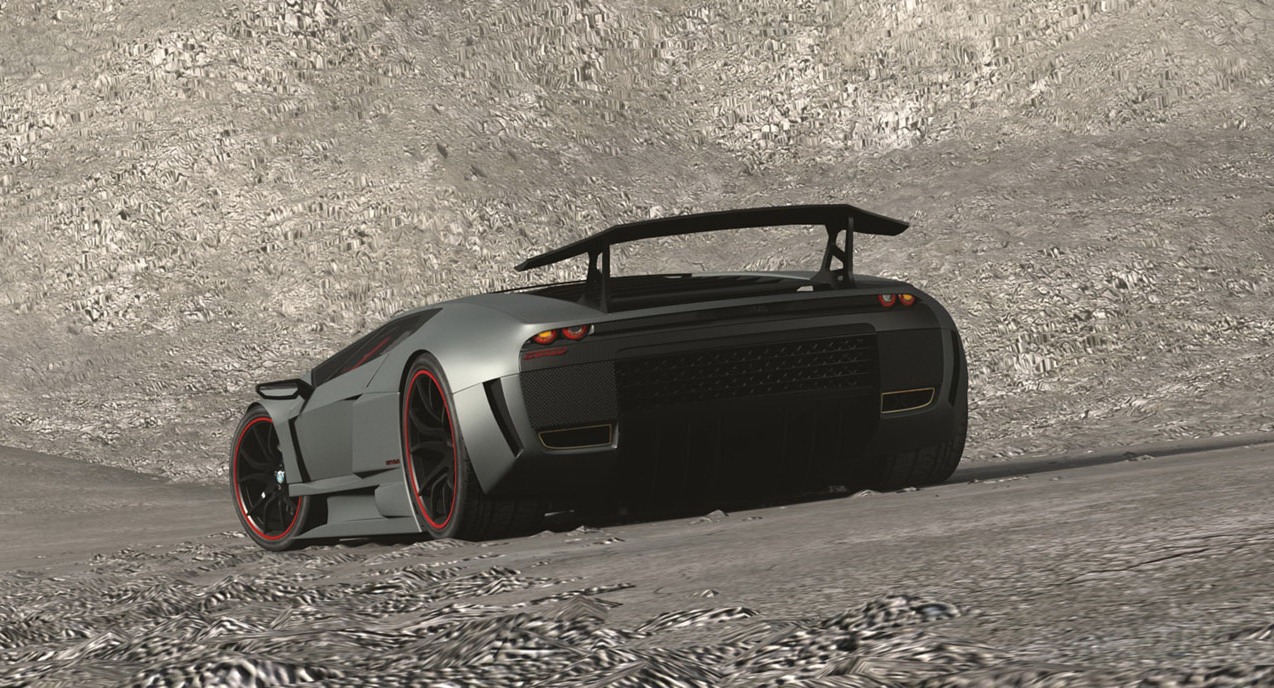
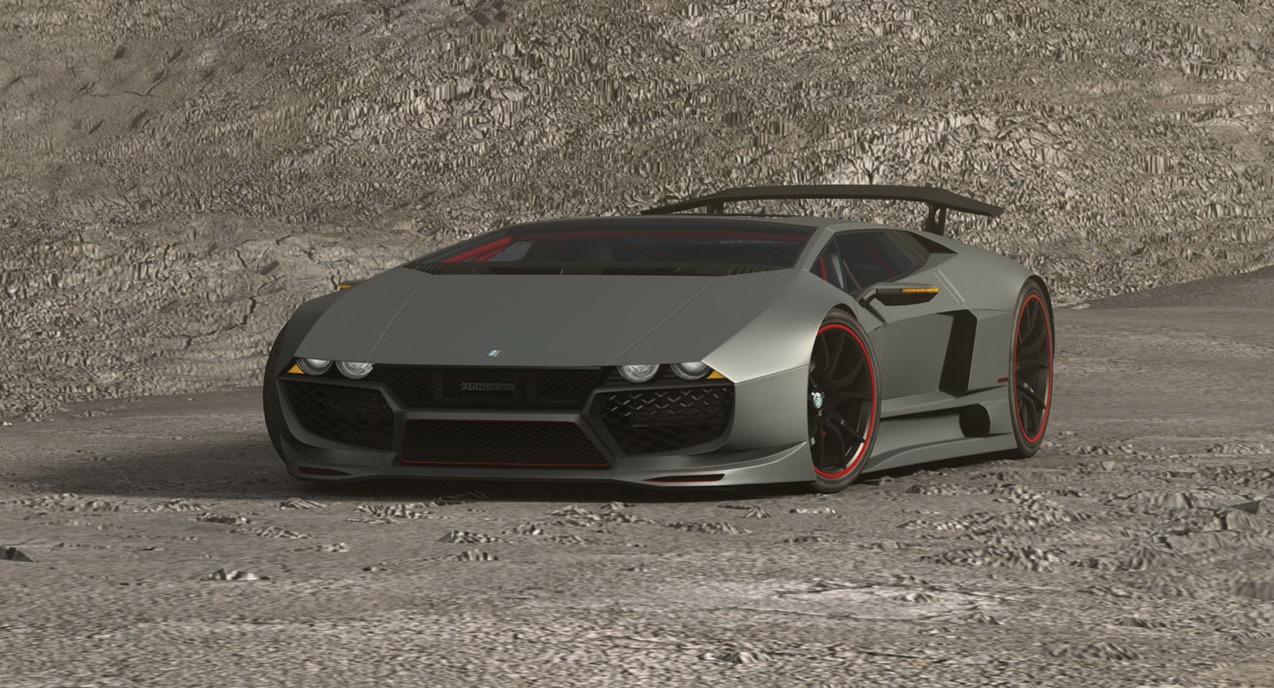
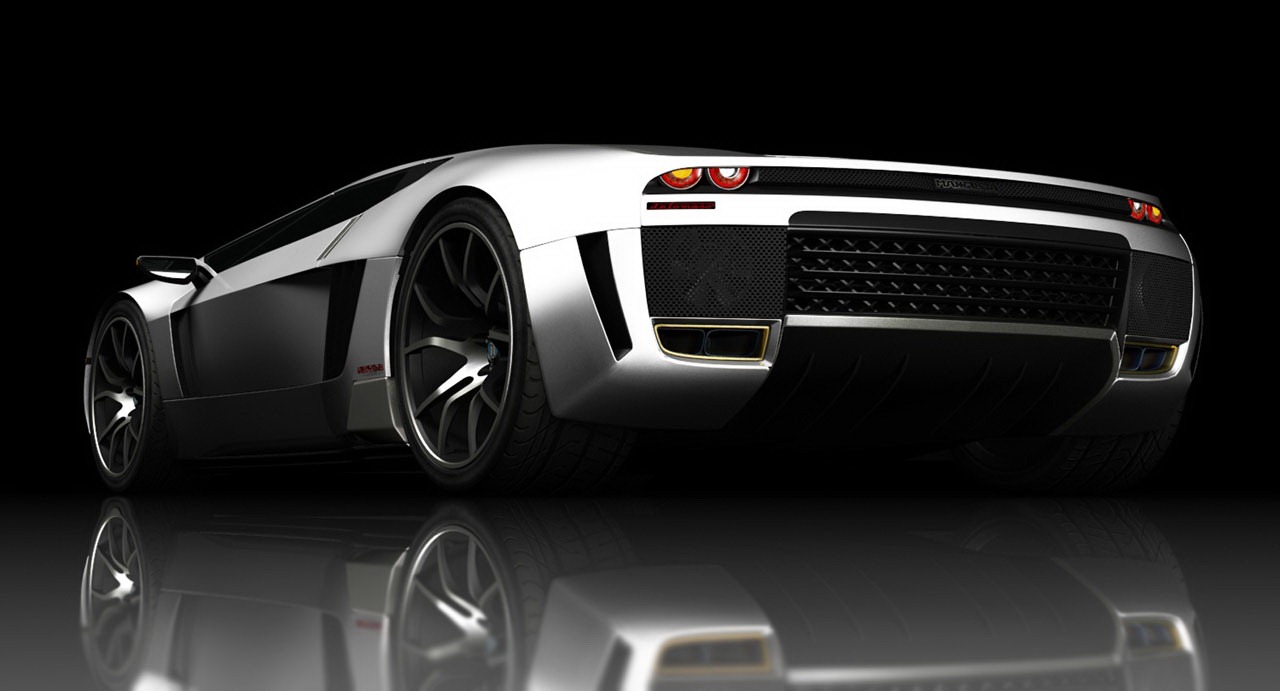
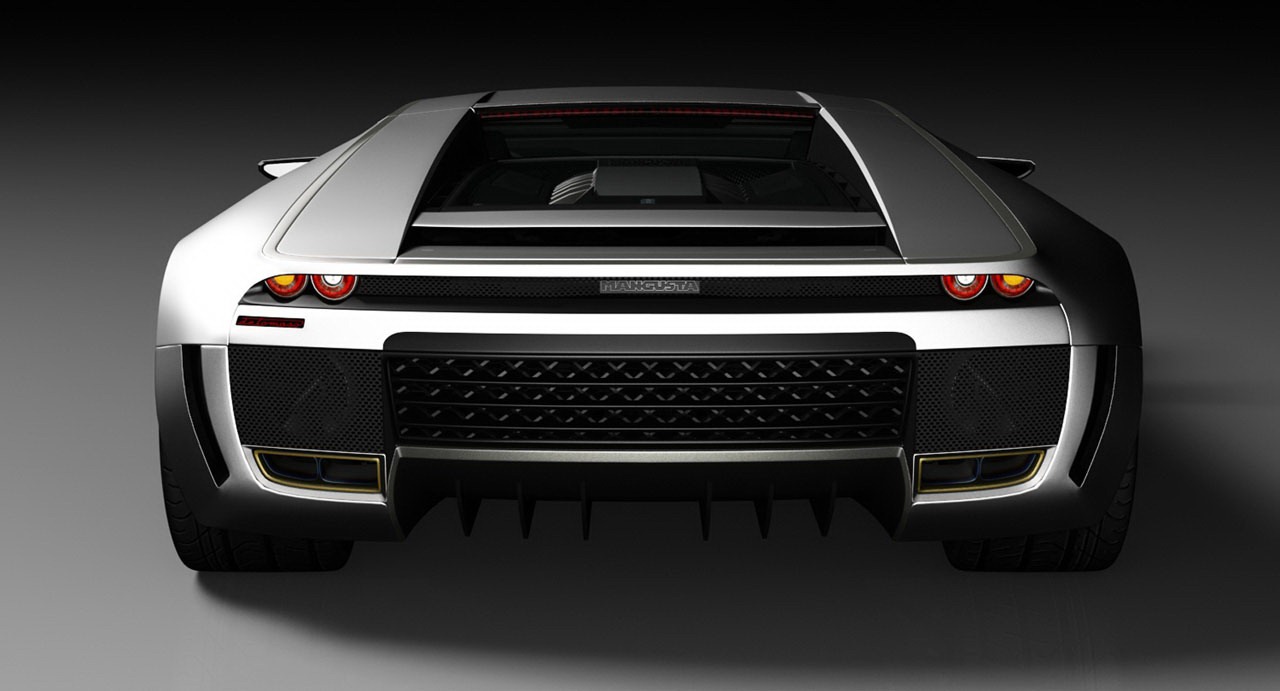
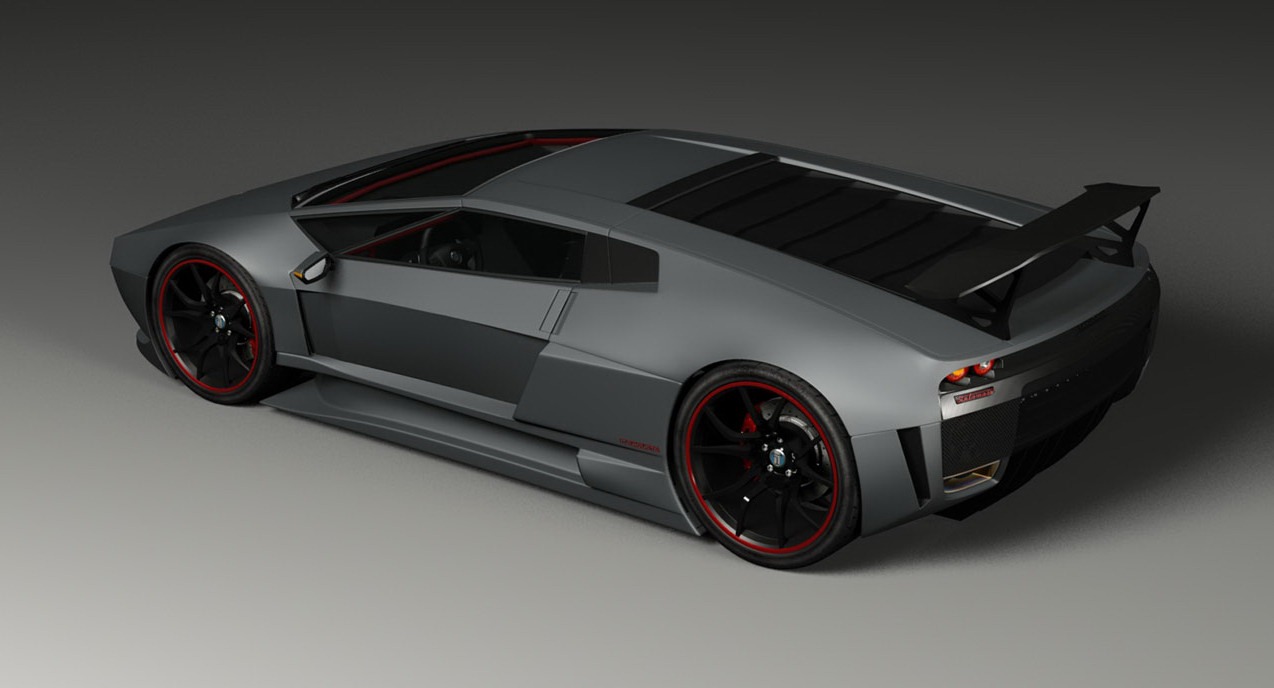
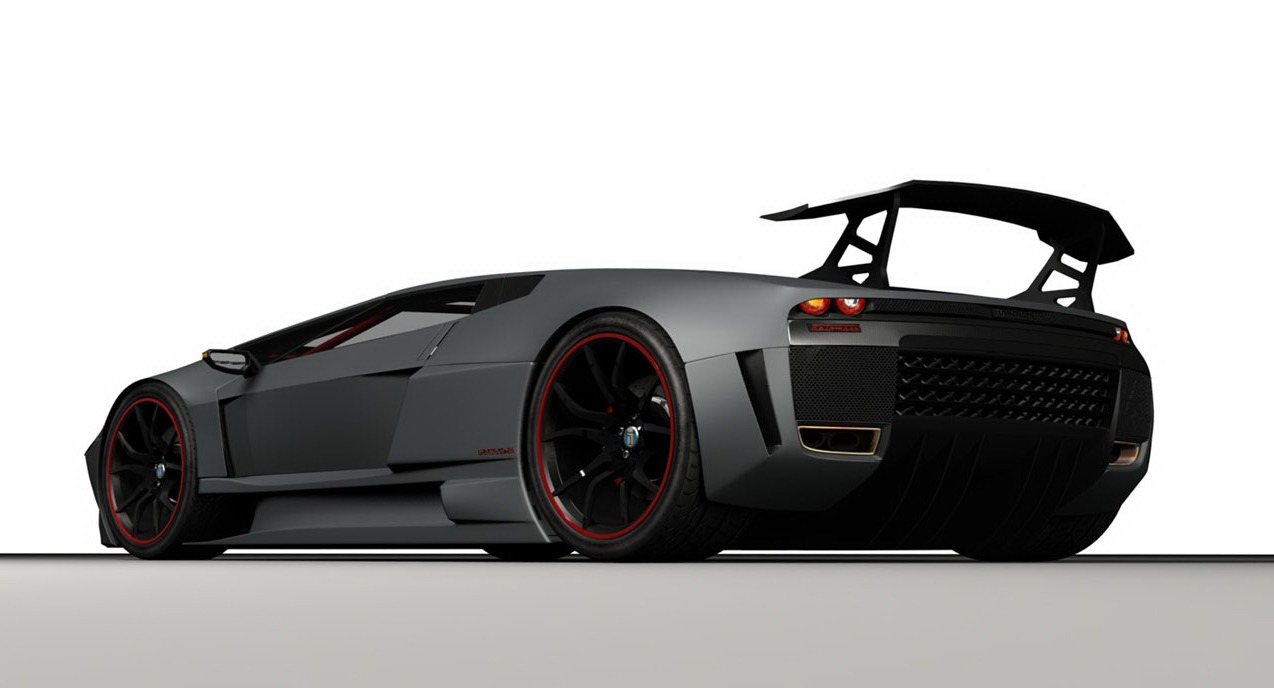
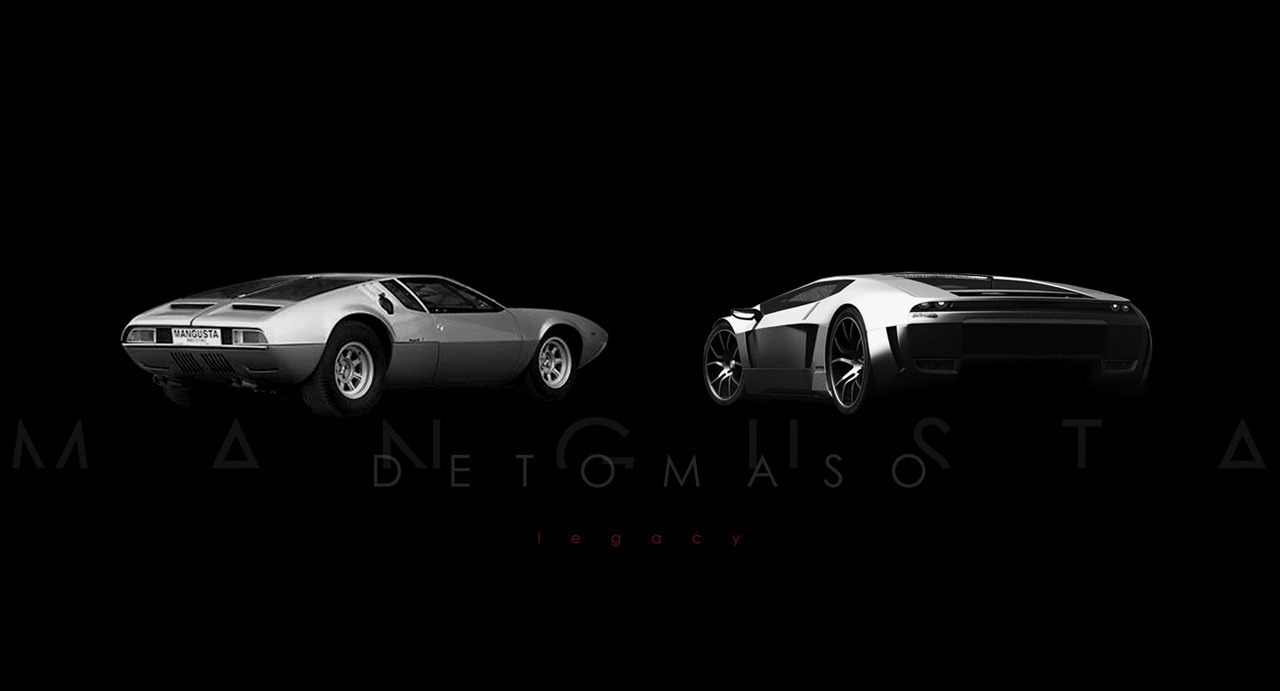
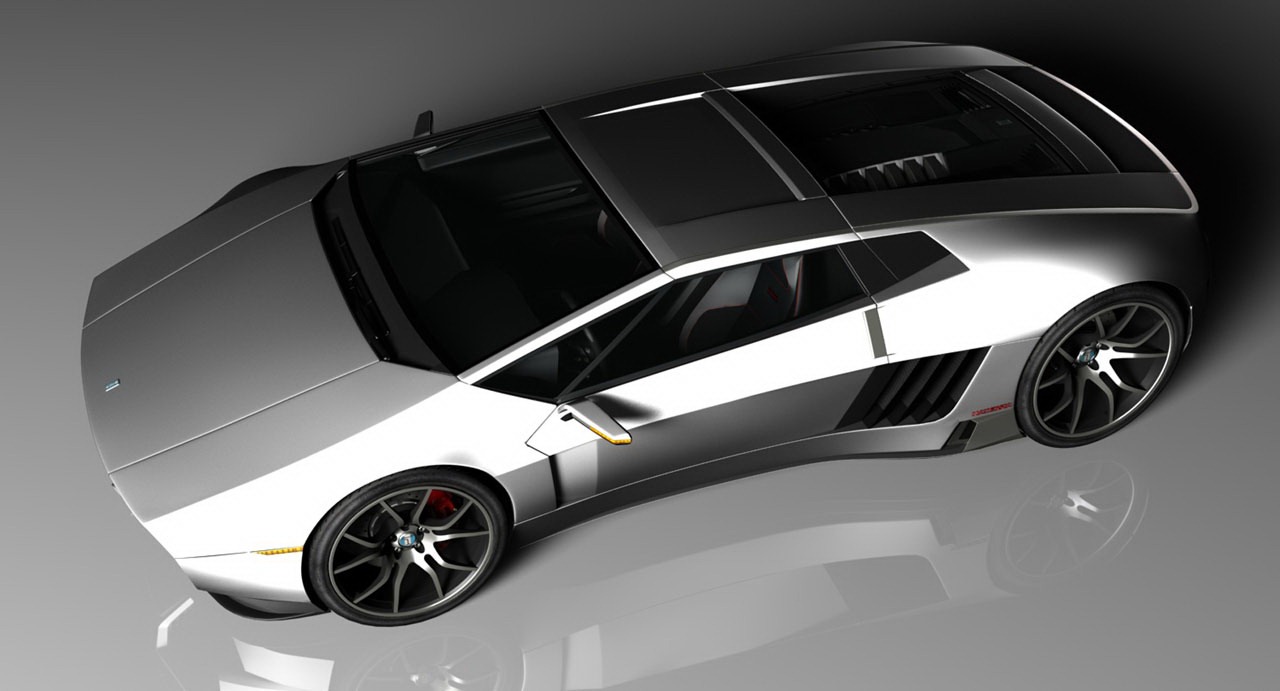
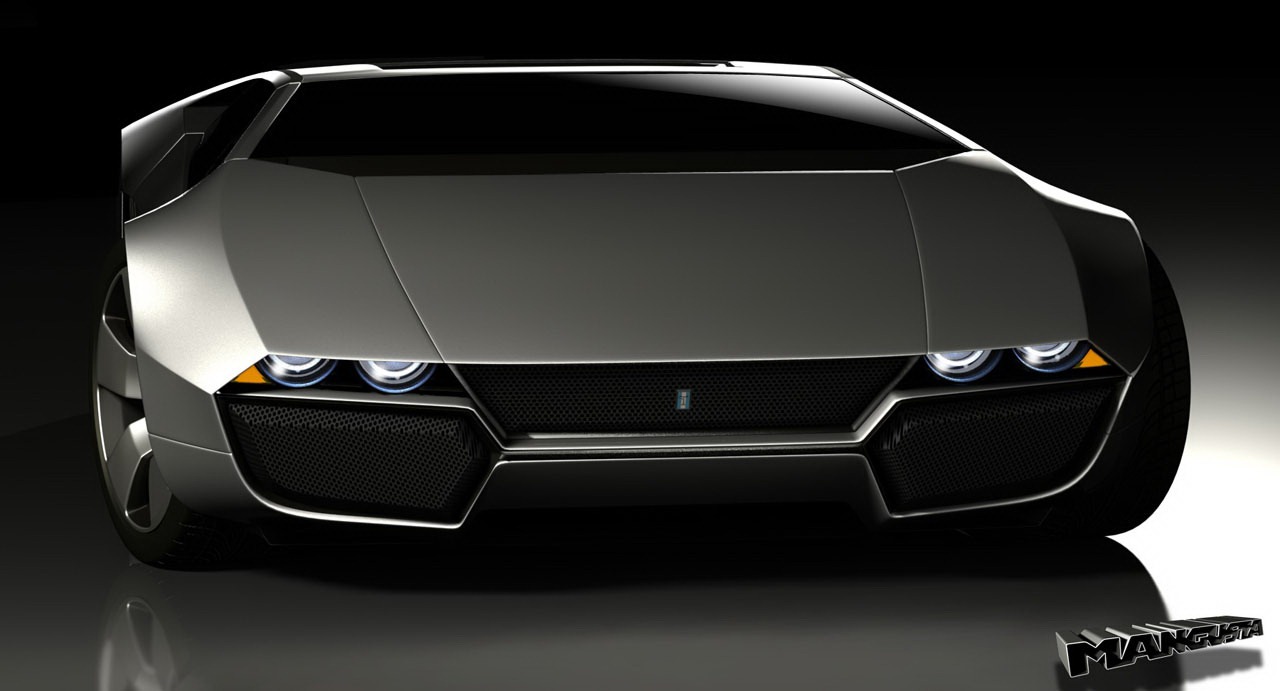
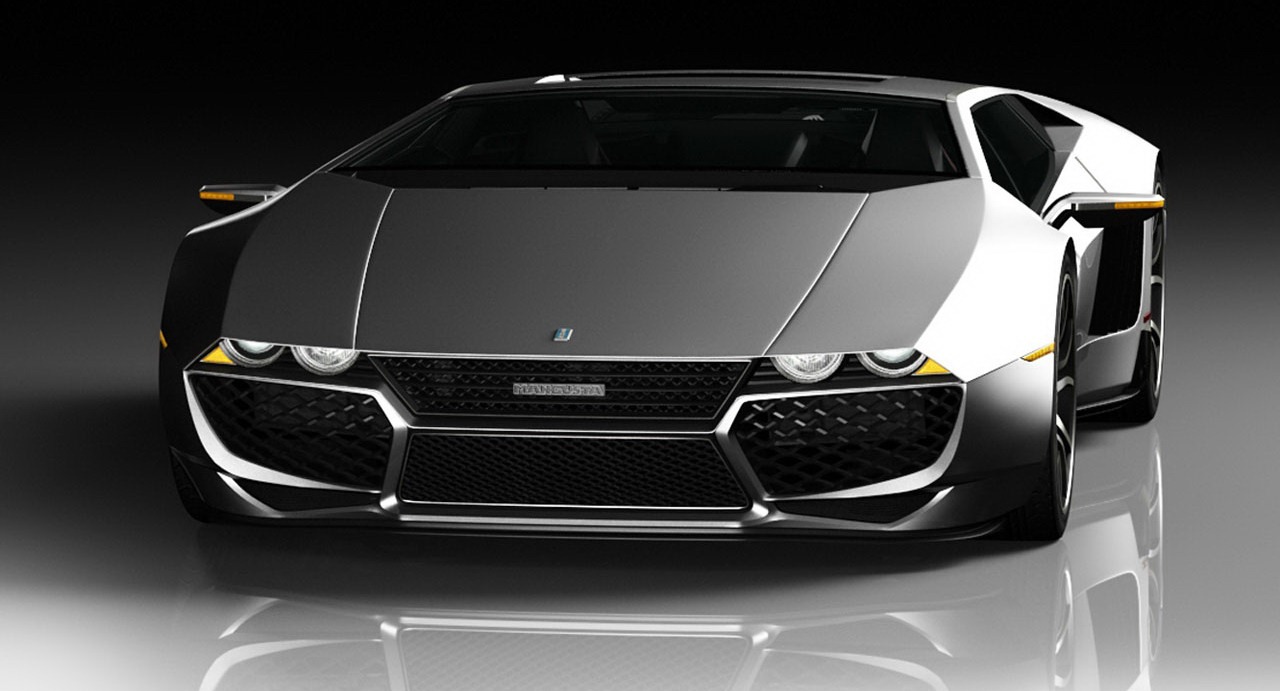
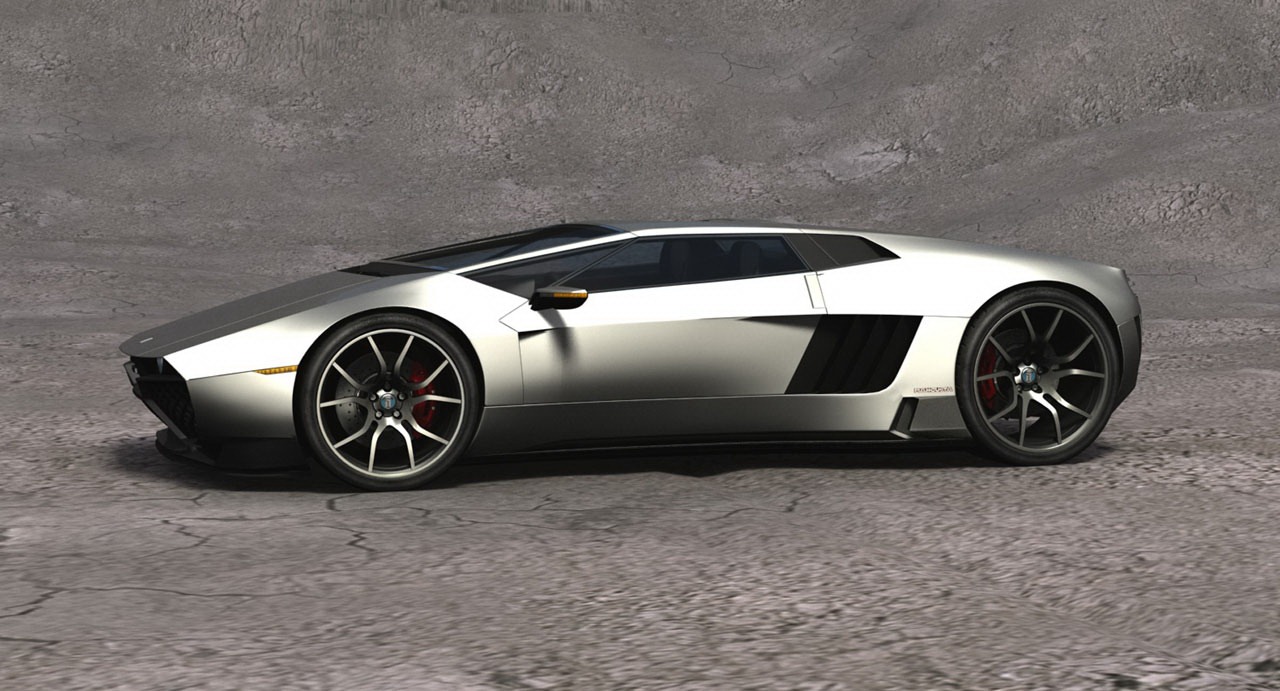
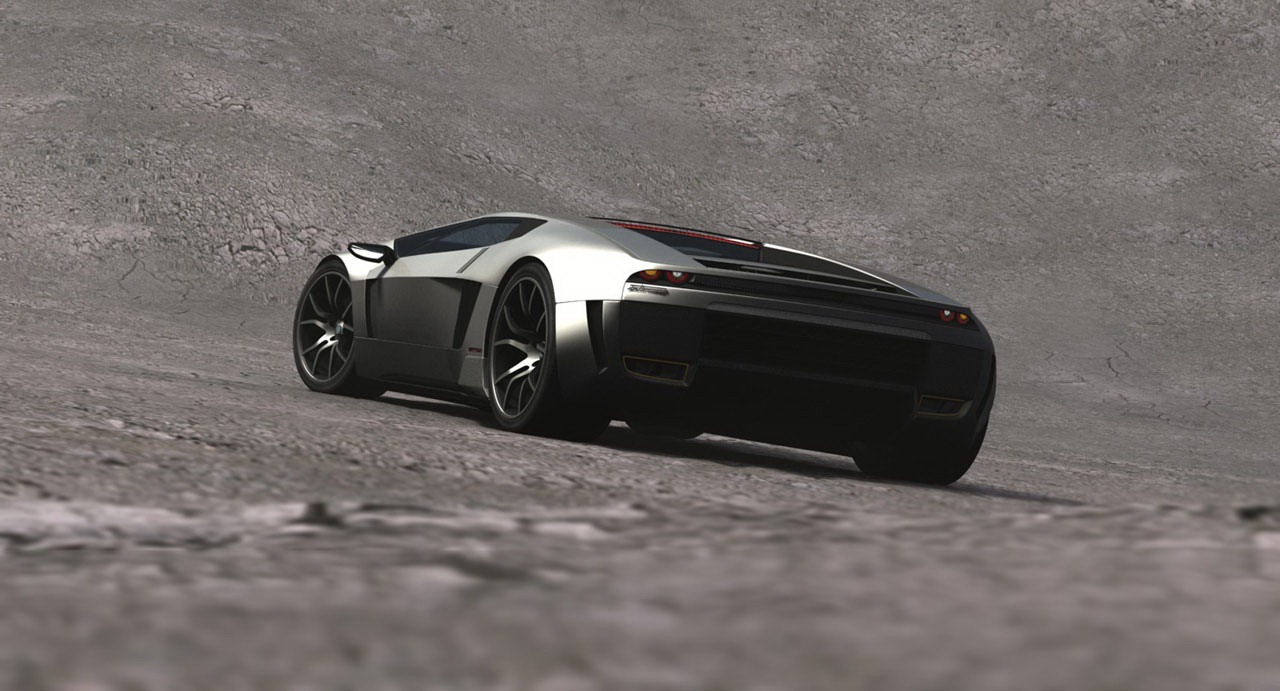
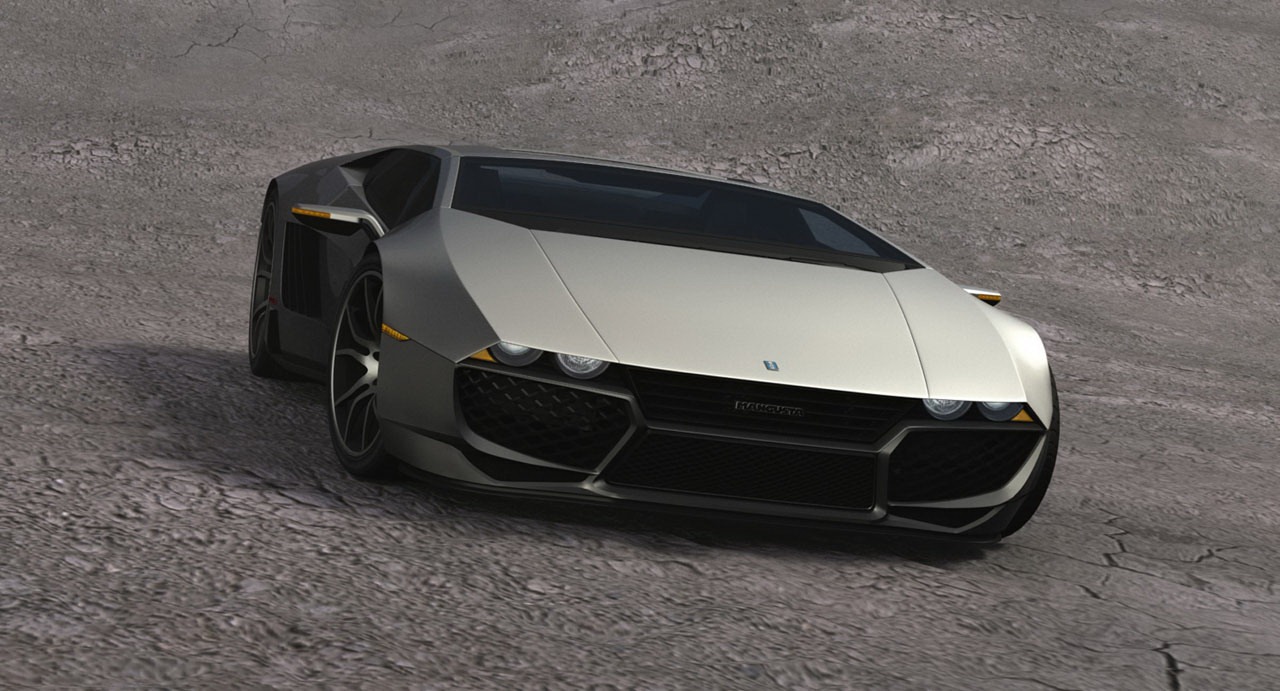
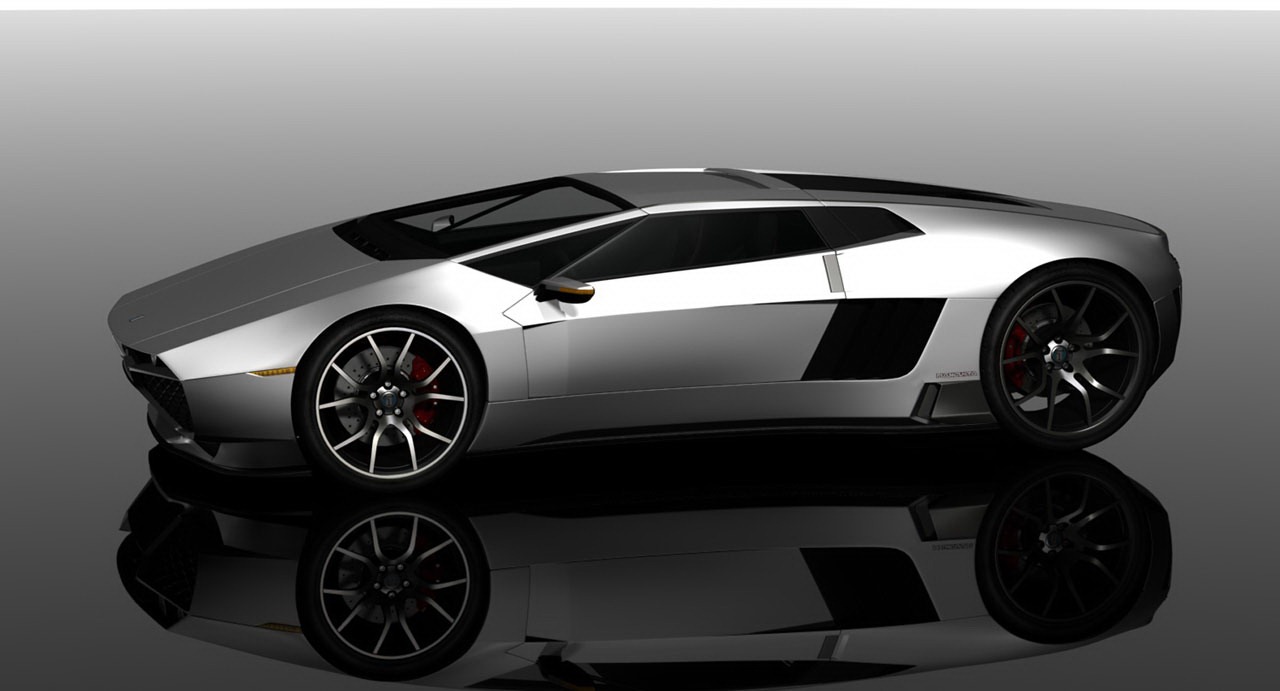
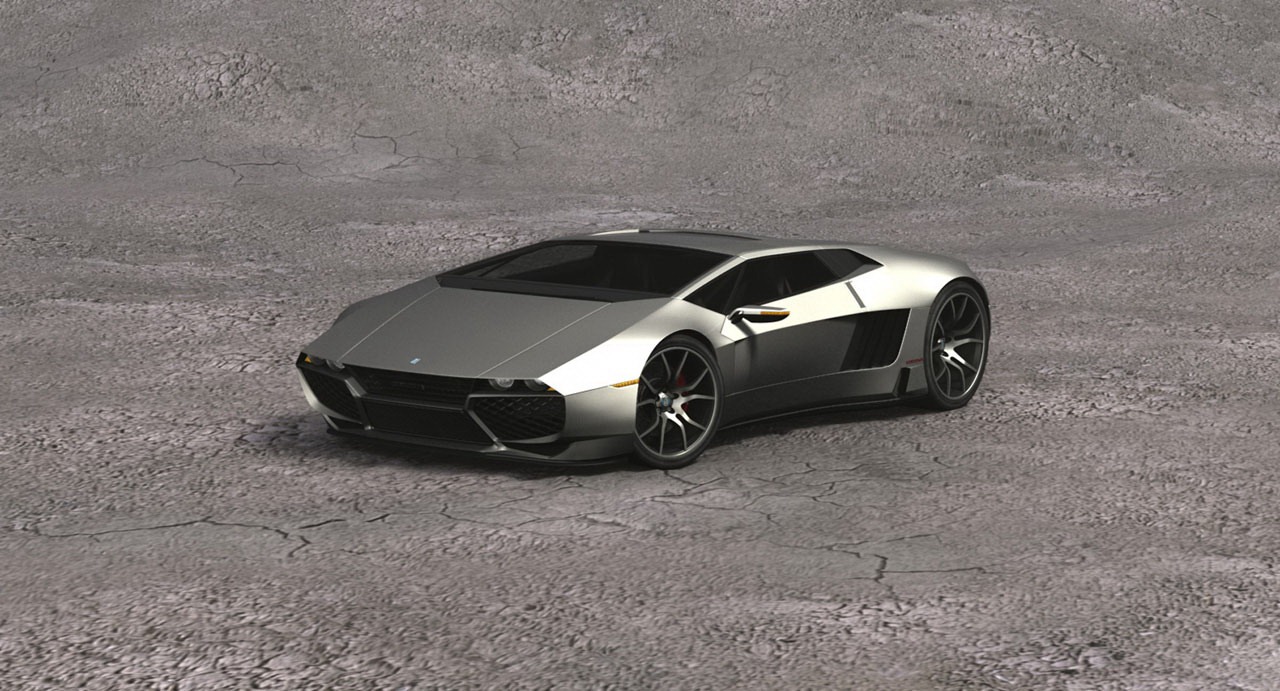
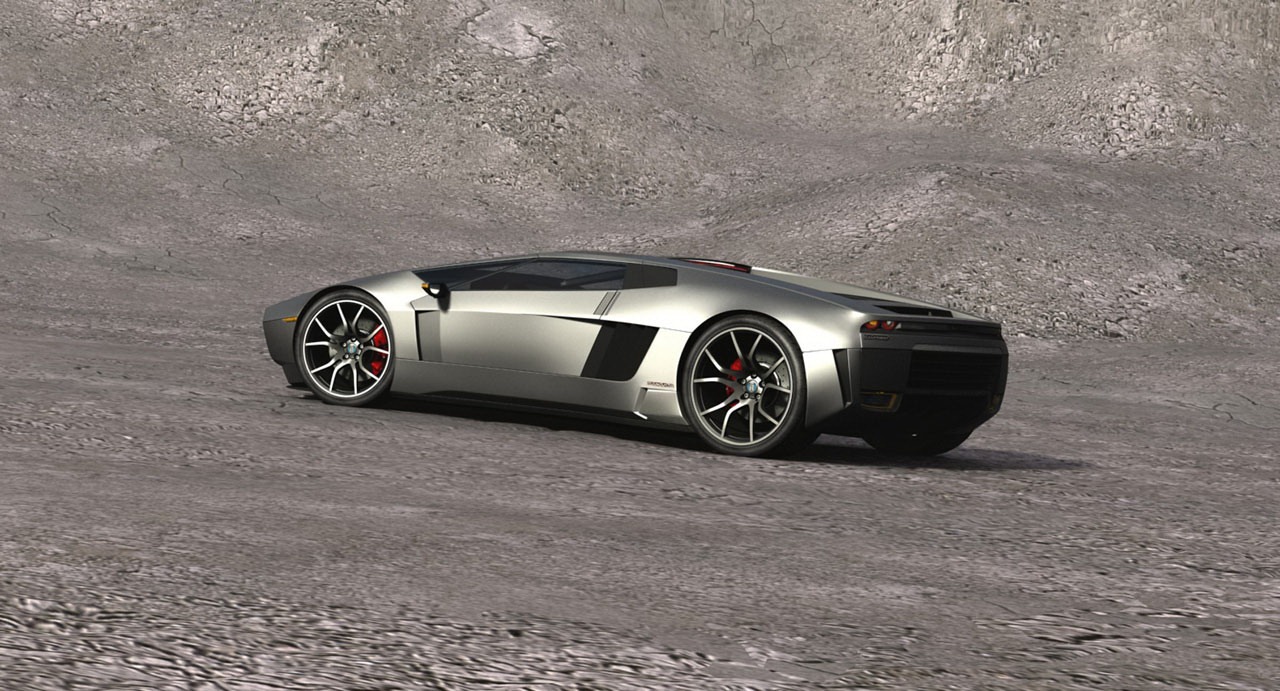
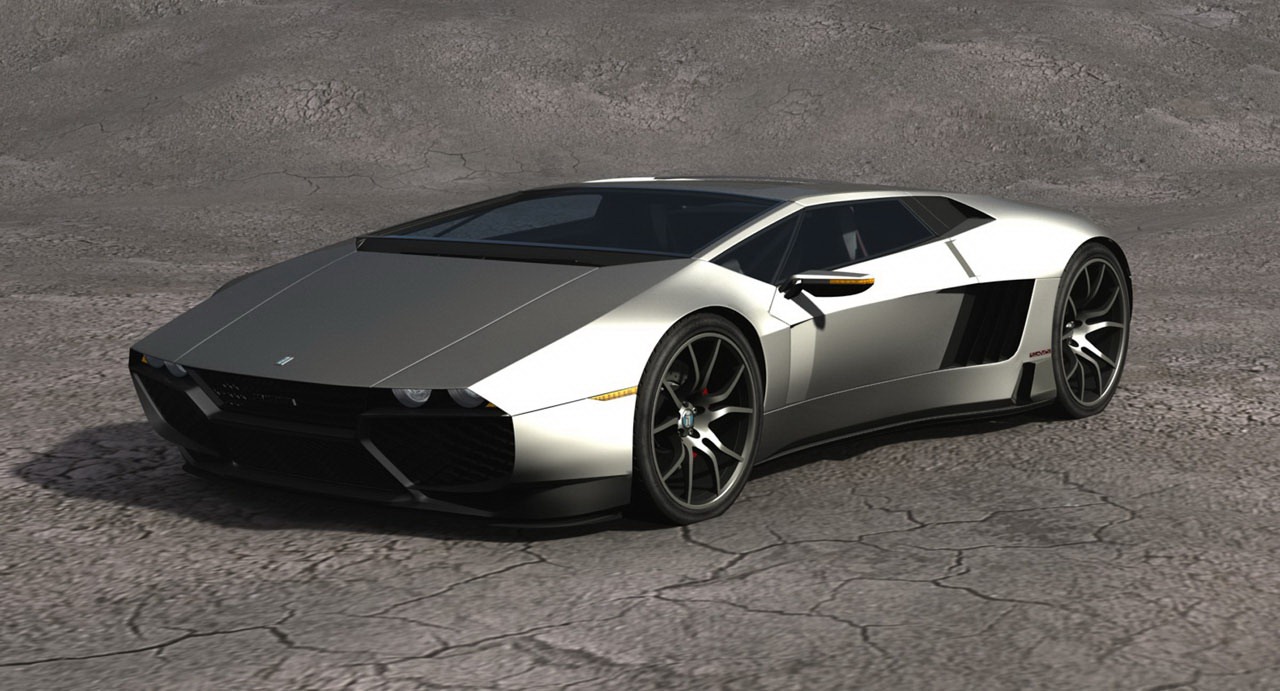
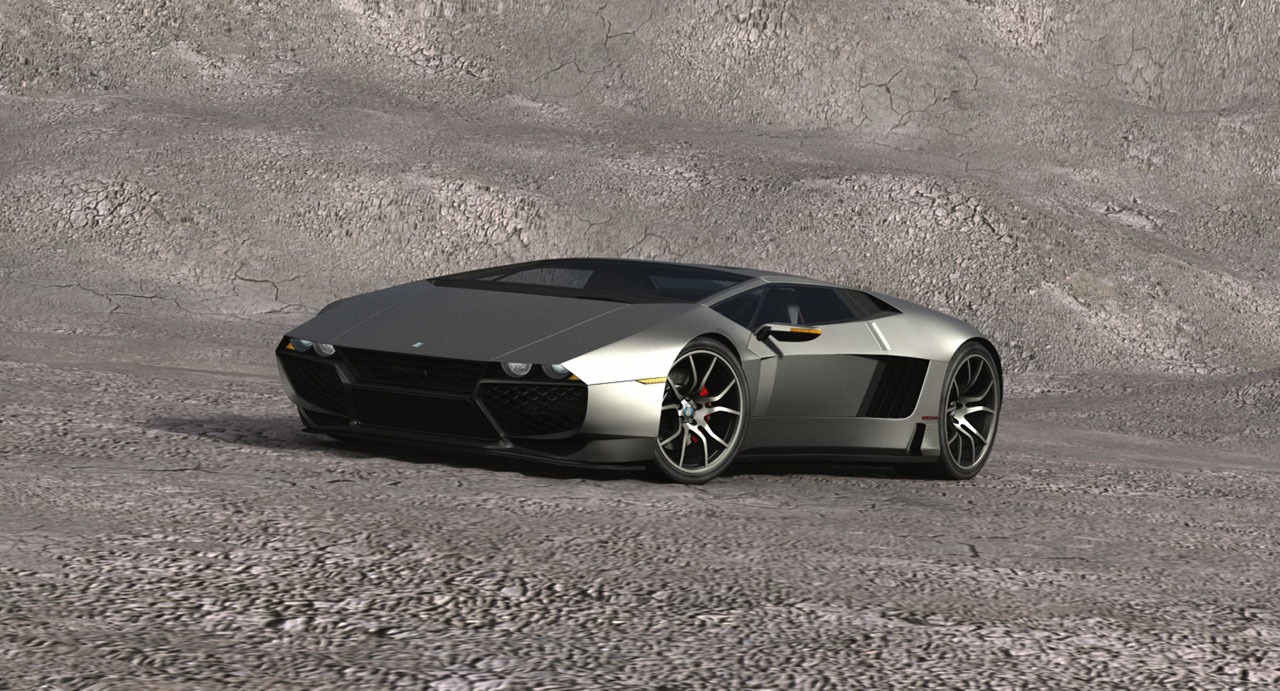
De Tomaso Mangusta Legacy Design Study Inspired by the 1965 Original


The revival of the De Tomaso brand at this year's Geneva Salon with the Deauville showcar inspired design graduate and digital artist Maxime de Keiser to craft a modern interpretation of the original Mangusta from the late 1960s (De Tomaso had revived the name with the production version of the Bigua concept in the early 2000s). Introduced in 1967, the first Mangusta was designed by the famed Giorgetto Giugiaro, who at the time worked for Turin-based coachbuilder Ghia, and was offered with a choice of Ford-sourced V8 engines. It was replaced by the cheaper to produce Pantera in 1971.
Keiser's design proposal blends several characteristic styling cues of the original Mangusta such as the low-placed headlamps with a more angular shaped body that features a pair of scissor doors.
“Like the original, it had to be spectacular and communicate an impression of wild ferocity and power while recalling the serenity of a feline at rest, and the elegance of the animal that doesn’t need to fear anything," says Keiser.
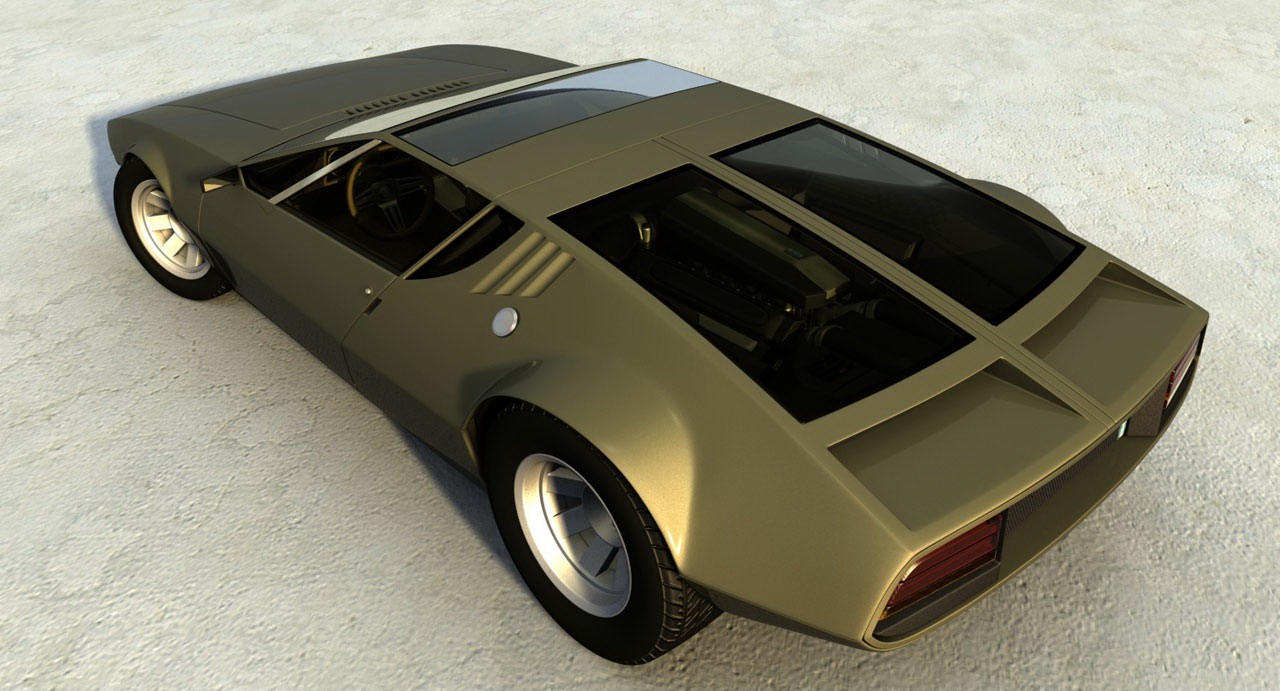
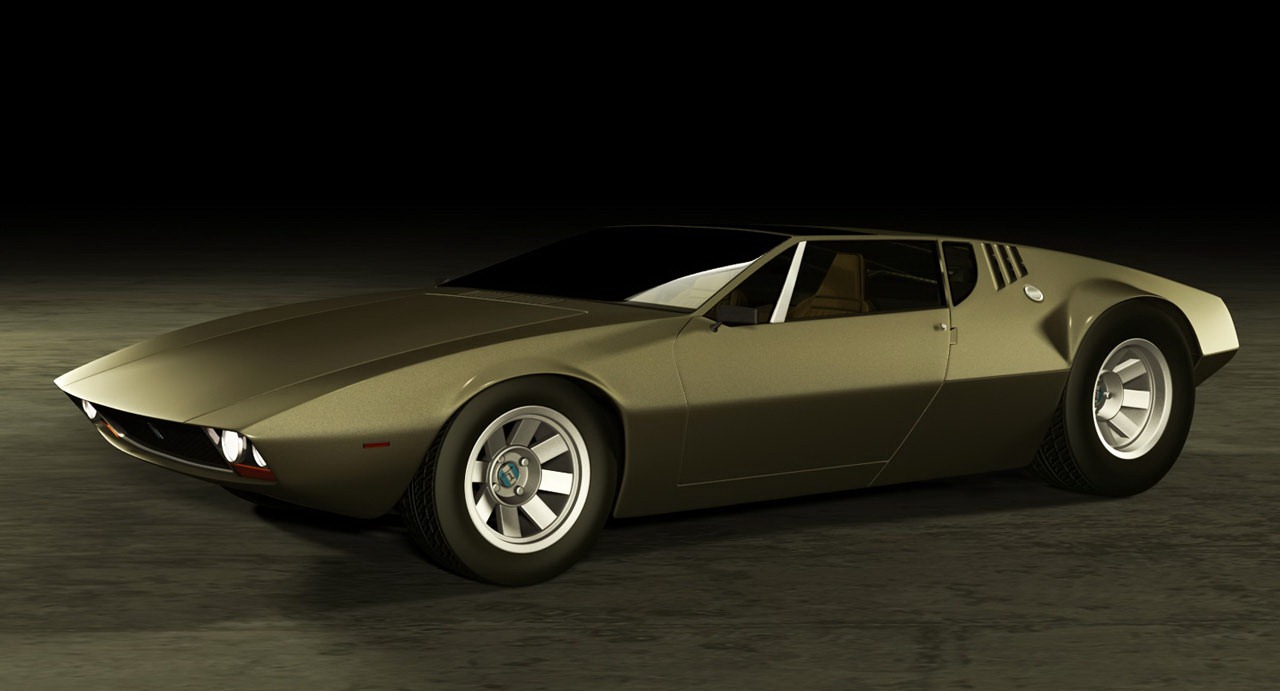
PHOTO GALLERY

De-Tomaso-Mangusta-1De-Tomaso-Mangusta-2De-Tomaso-Mangusta-3De-Tomaso-Mangusta-4Mangusta-Legacy-Study-1Mangusta-Legacy-Study-2Mangusta-Legacy-Study-3Mangusta-Legacy-Study-4Mangusta-Legacy-Study-5Mangusta-Legacy-Study-6Mangusta-Legacy-Study-7Mangusta-Legacy-Study-8Mangusta-Legacy-Study-9Mangusta-Legacy-Study-10Mangusta-Legacy-Study-11Mangusta-Legacy-Study-12Mangusta-Legacy-Study-13Mangusta-Legacy-Study-14Mangusta-Legacy-Study-15Mangusta-Legacy-Study-16Mangusta-Legacy-Study-17Mangusta-Legacy-Study-18Mangusta-Legacy-Study-19Mangusta-Legacy-Study-20

Japanese Gas Stations Begin to Offer EV Charging Services


With internal combustion-engined cars, whether they use gasoline or diesel, things are pretty simple: when you're low on fuel, you just drive up to a gas station and voila; fill up your car and continue your trip. Electric vehicles are a different matter, though, and the ideal solution would be an EV-equivalent of the gas station.
And now, four Japanese oil wholesalers including Cosmo Oil, Idemitsu Kosan, JC Nippon Oil and Showa Shell Sekiyu KK, announced that they will do just that: they will install 27 charging stations in select gas stations between Tokyo and Kanagawa in the first three months of 2012.
While 27 charging points is certainly a start, it's not that impressive – especially considering the number of plug-in vehicles companies expect to sell in Japan.
The actual novelty in this idea is that customers will not pay according to the electricity used for charging their vehicle, like conventional car owners do for the gas/diesel poured into their tanks. Instead, the “EV Service Station Network”, as it is called, will charge a fixed monthly price of 3,000 yen (US$38.62) for unlimited charges in any of the network’s 27 stations.


Chevy Volt and Fiat 500 Amongst Worst Product Flops of 2011


A report on the seven worst product flops in the U.S. from 24/7 Wall Street that was re-posted on Yahoo Finance includes two vehicle introductions, the Chevrolet Volt and the Fiat 500. According to the author of the report, Chevrolet's extended range electric vehicle made it on the list because it underperformed in sales while the fact that it is under investigation by the National Highway Traffic Safety Administration (NHTSA) for fires related to the car's lithium-ion batteries is also mentioned.
As for the 500, the article says that while the Italians expected to sell some 50,000 cars during its first year in the States, Fiat sold fewer than 12,000 from January through July, and that the company ousted its chief Laura Soave this past November. For the record, Fiat sold 15,826 examples of the coupe and the 500C through October.
The other products mentioned in the list include Abercrombie & Fitch's “Ashley” Push-Up Triangle, a bikini top with padding for kids; Netflix's DVD-by-mail only Qwikster service; the HTC Status smartphone; Blackberry's PlayBook Tablet, and the Mars Needs Moms 3D film from Disney.

PHOTO GALLERY

Lancia Imperiale Design Concept by David Cardoso


If there's one European brand that has been in an identity crisis for many years, that is Lancia – and the Fiat Group's decision to drop a few Chrysler models including the 300 sedan and the Town & Country minivan into the Italian firm's range only made things worse. One time the proud maker of sporty models with a pinch of luxury like the gorgeous Lancia Flavia Coupe with its innovative narrow-angle V4 engine and let's not forget, also the holder of 10 world rally championships, Lancia is now struggling to find its place in today's automotive world.
Independent designer David Cardoso is among those not pleased with Lancia's current portfolio and especially the new Thema:
"When Lancia recently brought out the Thema that is based on the American Chrysler 300C, I was let down by Lancia as it disowned its own Italian design language. The Imperiale is an attempt to create a worthy Thesis successor," Cardoso told Carscoop.
The name Cardoso chose to use on his reborn Lancia flagship is somewhat unfortunate as the Chrysler used the Imperial moniker for its own series of luxury models from the 1920s to the 1980s and again in the early 1990s.
Name aside, Cardoso's Imperiale borrows the fastback body styling of previous Lancia cars such as the Gamma Berlina from the late 1970s.
You can take a look at the designs below and share your thoughts in the comments area.

PHOTO GALLERY

Monday, December 26, 2011

Tis the Time to Watch Out: Cool Timepieces for the Auto Enthusiast


A red and white McLaren and a bright yellow-helmeted driver behind the wheel storming down the track is one of the images that defined the 1980’s-era of Formula 1. The driver was, of course, the late Ayrton Senna. And the watch he wore was always a TAG Heuer, something that made many young fans of the most charismatic driver the world has ever seen yearn for one.
The Swiss brand continues its partnership with the Woking-based F1 team, making sure that Lewis Hamilton and Jenson Button flash their timepieces at every opportunity.
On the other hand, the most famous, if not really the most exclusive or expensive watchmaker in the world, Rolex, has linked its name not only with the late actor, racing driver and Indycar team owner Paul Newman, but also sponsors and big names, many major events after its most coveted model, the Daytona chronograph.
Cars and timepieces share many characteristics. For one, they come in all shapes and sizes and their price range from cheap to “if you have to ask, you can’t afford it” category – and everything in between.
Furthermore, while some people simply view them as a mechanical device built to satisfy a need, transportation and telling the time respectively, and don’t care about the inner working parts, others have a totally different approach.
They appreciate the shape, the complex workings inside and the feel of both. There are also those who simply view them as a status symbol, a means of displaying their wealth.
Perhaps they just want a matching Jaeger LeCoultre to go with their Aston Martin or a Breitling to look at its knurled bezel and think about their Bentley’s controls when they are not driving it.
Watchmakers and car companies are very well aware of the connection between their products. Some carmakers have even tried to make their car’s instruments look like chronographs (Lexus with the IS200) or even sport a watch by a high-end manufacturer in the dashboard (Bentley).
This practice works the opposite way, too: TAG Heuer has developed the V4, a limited edition of square Monaco chronograph that was made famous by Steve McQueen in the 1971 Le Mans movie, inspired by cars’ belt driven engine parts.
Moreover, nearly a decade ago, it resurrected the Carrera name that alludes not to Porsche, as you might expect, but the Carrera Panamericana race of the 1950s that took place in Mexico. Many variations are currently available, with the Grand Carrera being the most distinctive piece.
Porsche, which offers a Chrono package in its models and has its own luxury items brand, Porsche Design, has also entered the timepiece market with the P6000 series.
The world’s most famous car brand could not be absent from our list. Ferrari, which has licensed its Prancing Horse logo to a range of items, from computers to shoes, has been one of the first to collaborate with high-end watch makers.
Girard-Perregaux was one of the first to make Ferrari-branded watches, and then Maranello decided to leave the Swiss company and collaborate with its compatriot Panerai, and currently has also returned to Switzerland too work with another high-end watchmaker, Hublot.
Perhaps the most unusual example, which makes even the Carrera V4 look ordinary by comparison, is another timepiece inspired by Ferrari: it is the Scuderia Ferrari One that is made by Geneva-based Cabestan.
It’s true that, if you’re used to normal watches you may find it difficult to tell the time by looking at its three engraved aluminum rotary bands. On the other hand, Cabestan’s creation, contrary to other manufacturers’ practice, lets you see its intricate innards from the front, and is quite a remarkable sight.
The same holds true for the Parmigiani-Flerieur Bugatti Super Sports. And even though we’ve so far avoided to name prices, which usually vary according to the country or even the retailer, the Bugatti watch certainly bears a price tag that befits a Veyron owner: US$259,000…

VIDEO


PHOTO GALLERY

Road Rage: Pedestrian Teaches Tough Guy a Lesson


Some people just have it in their blood to get into fights and escalate a simple situation into something far more violent. And we can see this quite often on the road. Unfortunately for some, fortunately for others, there's a big difference between being “willing” to fight, and “winning” a fight.
See what happened to this "macho" passenger who got angry at a pedestrian who tried to cross the road while the light was green in the video after the jump.


VIDEO